

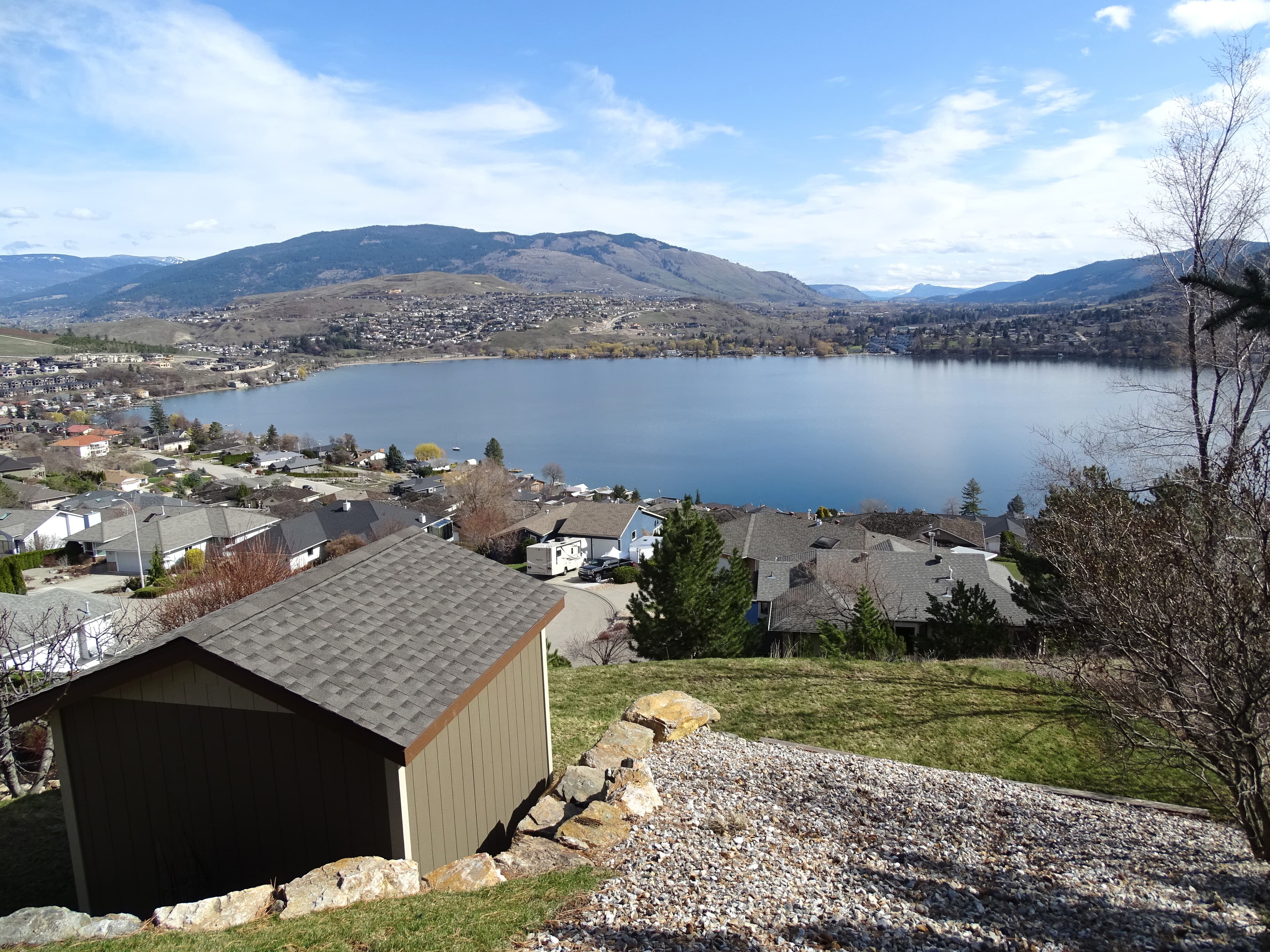
Radon Testing & Mitigation in Vernon, BC
Radon testing and mitigation for Vernon's BX and Coldstream benches, from older farmhouses to newer bench developments.
What's under Vernon
Vernon sits at the north end of the Okanagan Valley on a series of glacial benches — the BX bench and the Coldstream bench among them — formed by till and outwash deposited unevenly as glaciers retreated through the valley. Till depth varies considerably across these benches: some areas have a thin veneer of soil over bedrock, while others sit on many metres of compacted glacial material. That variability matters because it means radon potential can shift noticeably from one bench to the next, and even within a bench, in ways that a single city-wide statistic wouldn't capture. Vernon also sits slightly further from the Okanagan Batholith's core than Kelowna does, with a more mixed bedrock picture that includes older metamorphic rock in places — one more reason local, house-by-house testing tells you more than a regional geology summary ever could.
Foundations vary across the area
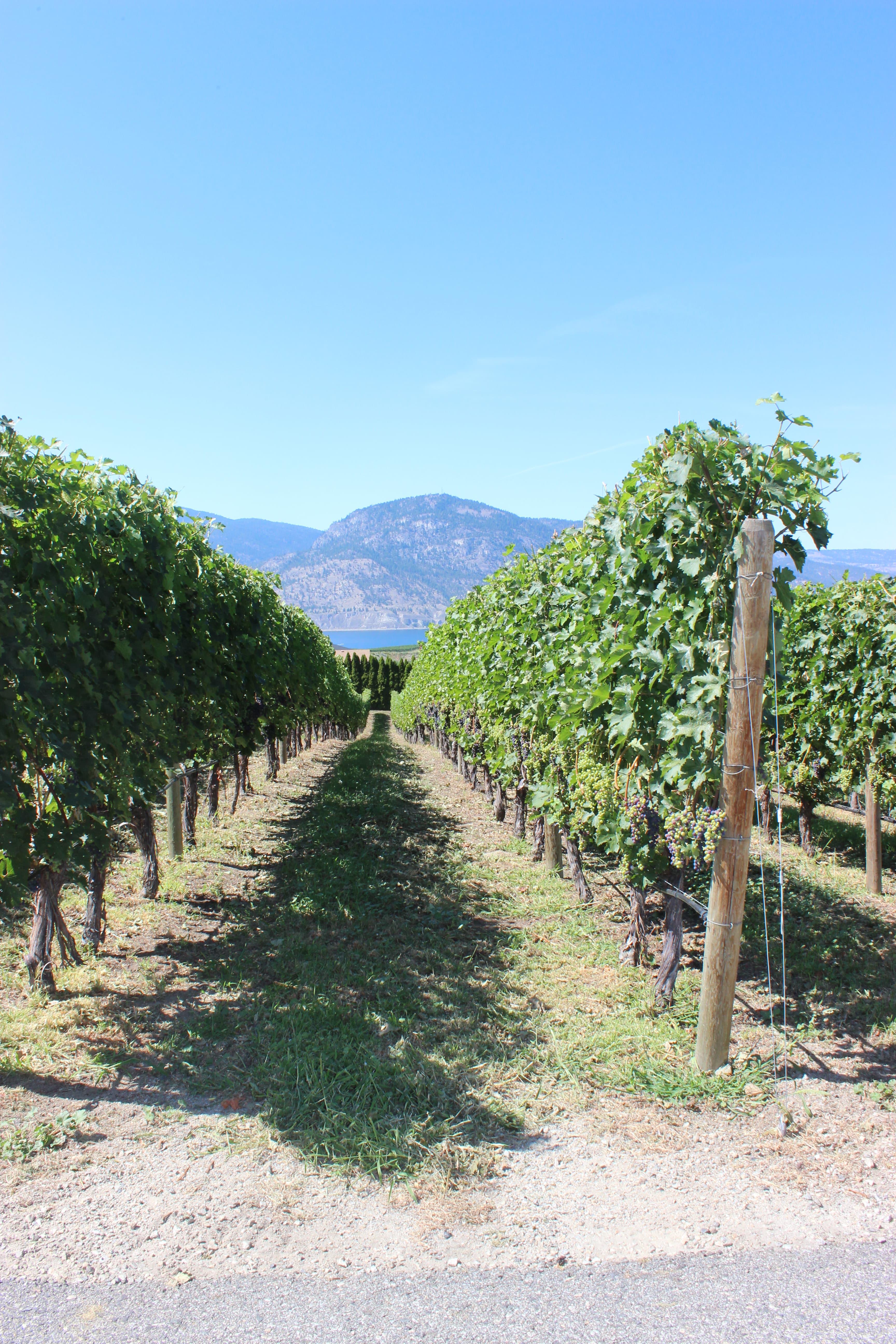
Vernon's housing stock skews older on average than some of the faster-growing centres further south, with a meaningful share of homes built before modern radon-resistant construction practices were common. Older basements built directly against native soil, without a sealed vapour barrier or gravel sub-base, tend to have less predictable sub-slab air communication than a modern engineered foundation — which can mean a mitigation system needs more than one suction point to draw evenly. Newer development on the benches follows more current construction standards, but bench-to-bench till variation still means each home needs its own assessment rather than an assumption based on the subdivision next door. Predator Ridge and other newer golf-course-adjacent developments sit on more consistently engineered foundations, while older East Hill and downtown-core homes are more likely to have had additions or partial basement conversions over the decades — each addition potentially representing a different construction era under one roof.
What we typically install here
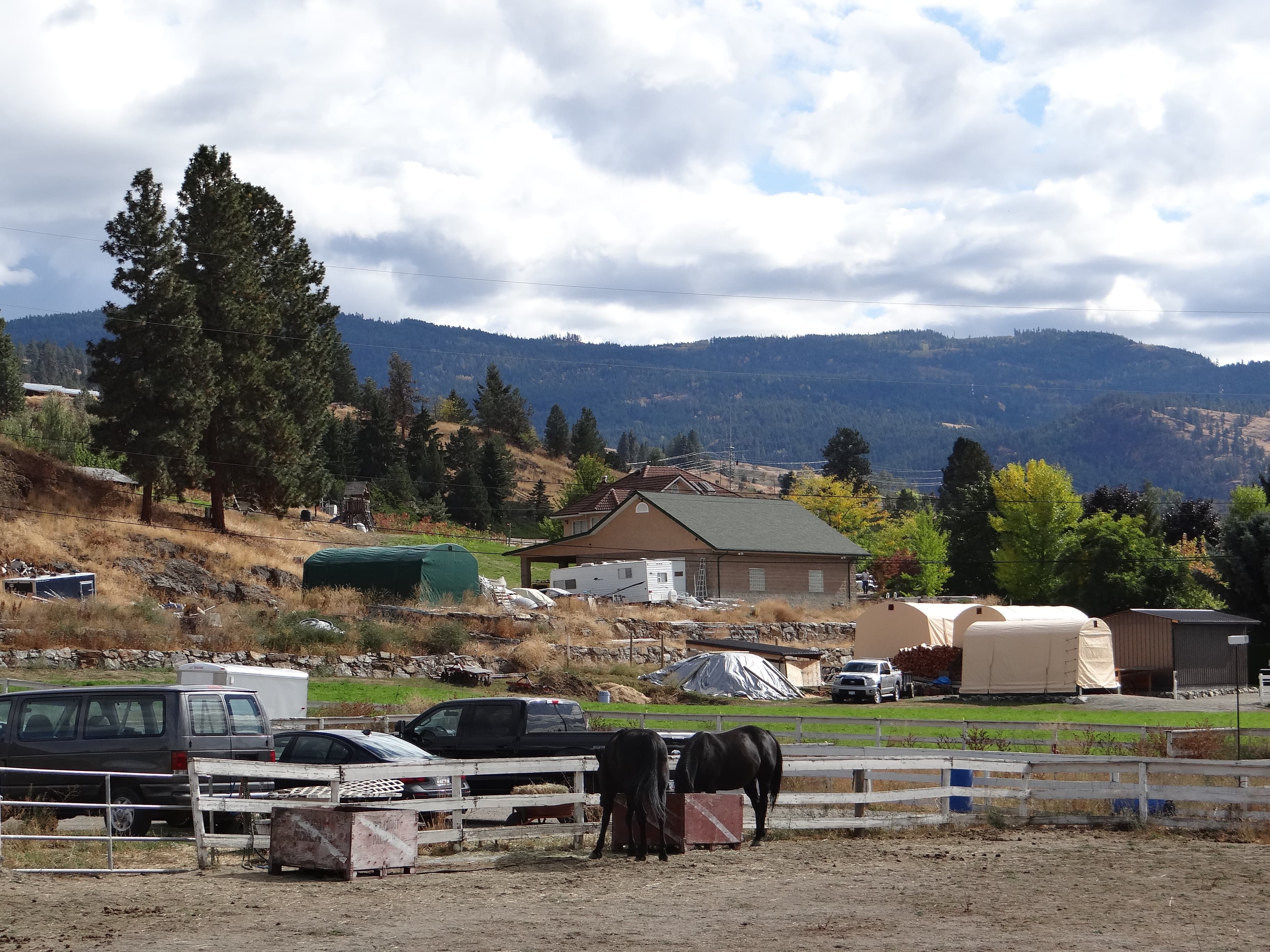
Full basements and slab-on-grade construction dominate here, so sub-slab depressurization — a fan drawing radon-laden air from beneath the slab and venting it above the roofline — is the typical install.
See how radon testing, mitigation, and ongoing monitoring work in more detail.
Vernon FAQ
Deeper, more permeable till can let soil gas move more freely toward a foundation than a thin till layer over solid bedrock. It's one of several variables that make Vernon results harder to predict from geology alone — testing is the only way to know your home's number.
Not necessarily harder, but often different: a foundation without a modern vapour barrier or engineered gravel base can need a multi-point suction system rather than a single point, because air doesn't move as predictably underneath it.
Well water can be a secondary radon pathway alongside soil gas, though usually a smaller contributor than soil gas for most homes. If your household is on a private well, mention it when you book — it can factor into how we advise you.
Possibly — elevation, till depth, and proximity to the lakeshore all vary between Vernon's neighbourhoods. That variation is exactly why we don't extrapolate one part of the city's results onto another.
Book a test in Vernon
Testing comes first. If your result calls for mitigation, we'll design and verify a system for your foundation.