

Radon Monitoring in Kelowna & the Okanagan
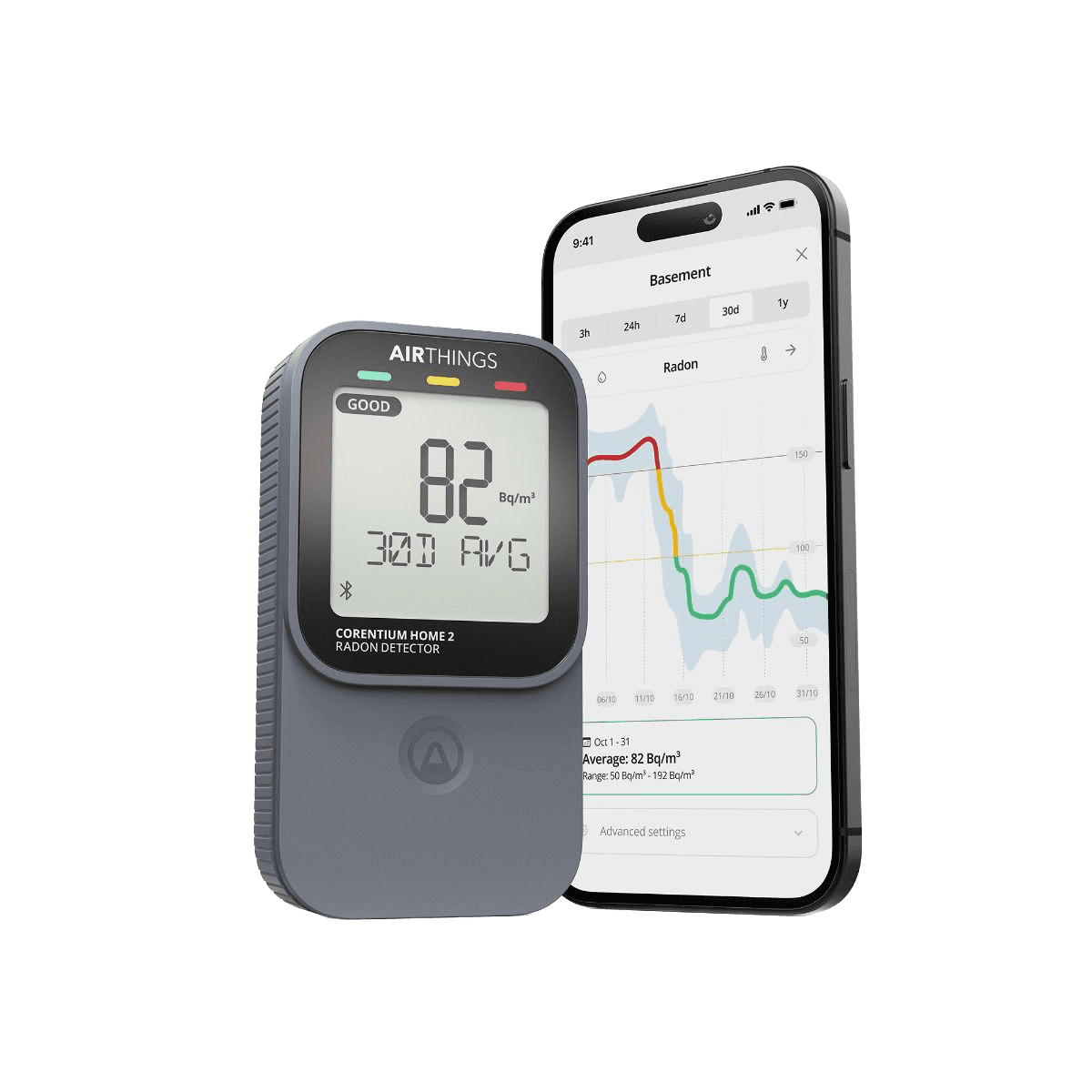
A radon test gives you an average over the testing period. Continuous monitoring shows how conditions in your Kelowna or Okanagan home change over time — including after the test is long over.
A test measures a period. Monitoring tracks what happens after.
Radon levels fluctuate seasonally, during renovations, and with day-to-day home use. A monitoring program is built to catch that drift over time — including a mitigation system that's quietly stopped working.
Built for ongoing oversight
Homeowners
Confirms an existing mitigation system is still working, so a fan failure doesn't go unnoticed for years.
Landlords & Property Managers
Scheduled monitoring replaces a one-time test as tenants, occupancy, and renovations change a property over time.
Strata & Commercial
Recurring testing suits multi-unit buildings where occupancy and ventilation vary unit to unit.
What a monitoring plan includes
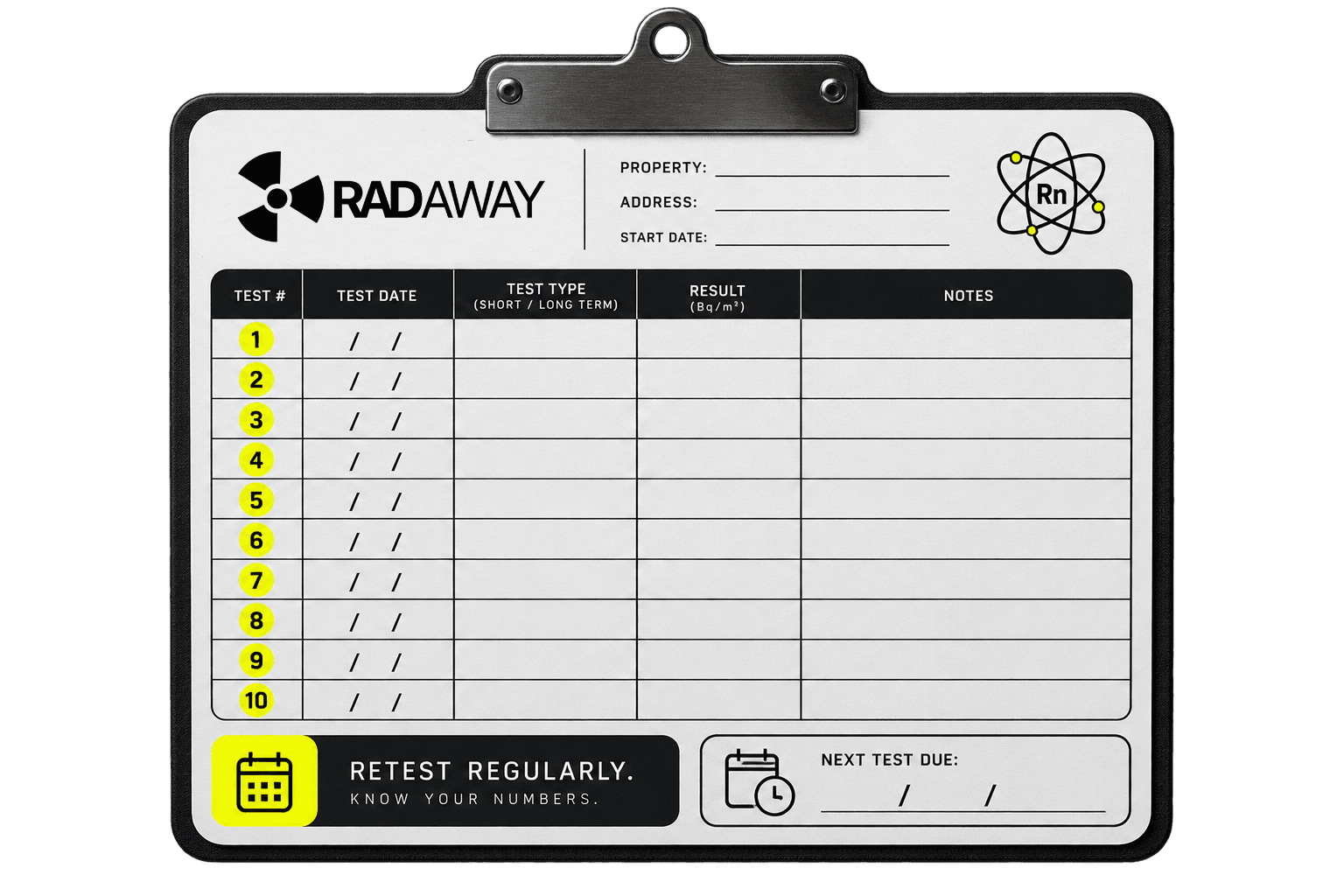
- Scheduled retesting on a recurring interval
- A record of results over time, so trends are visible across retests rather than a single result taken in isolation
- Follow-up if a mitigation system's fan or suction appears to be underperforming
Plan cadence and pricing are confirmed with you directly when you reach out — details vary by property.
Haven’t tested yet? Start with a radon test — monitoring builds on a known result, not a replacement for one.
Frequently Asked Questions
A test gives you an average over its testing period. Monitoring tracks conditions on an ongoing basis, catching seasonal swings, renovation impacts, and a mitigation system that's quietly stopped working — none of which a single test can show you after the fact.
Not urgently, but levels can drift over months and years with weather, soil moisture, and changes to the home. Monitoring is most valuable for rental properties, strata buildings, and homes with an installed mitigation system worth confirming is still working.
A dedicated short-term or long-term test is the standard documentation for a real estate transaction. Monitoring is built for ongoing oversight rather than a single point-in-time transaction record.
Scheduled retesting on a recurring interval, a record of results over time so trends are visible, and follow-up if a mitigation system's fan or suction appears to be underperforming. Plan cadence and pricing are confirmed directly since they vary by property.
Ask about a monitoring plan.
Tell us about the property — a single home, a rental, or a strata building — and we'll talk through what a monitoring schedule looks like.