

Radon Testing & Mitigation in Kelowna, BC
C-NRPP-standard radon testing and mitigation for Kelowna homes, from the Mission benchlands to Glenmore.
What's under Kelowna
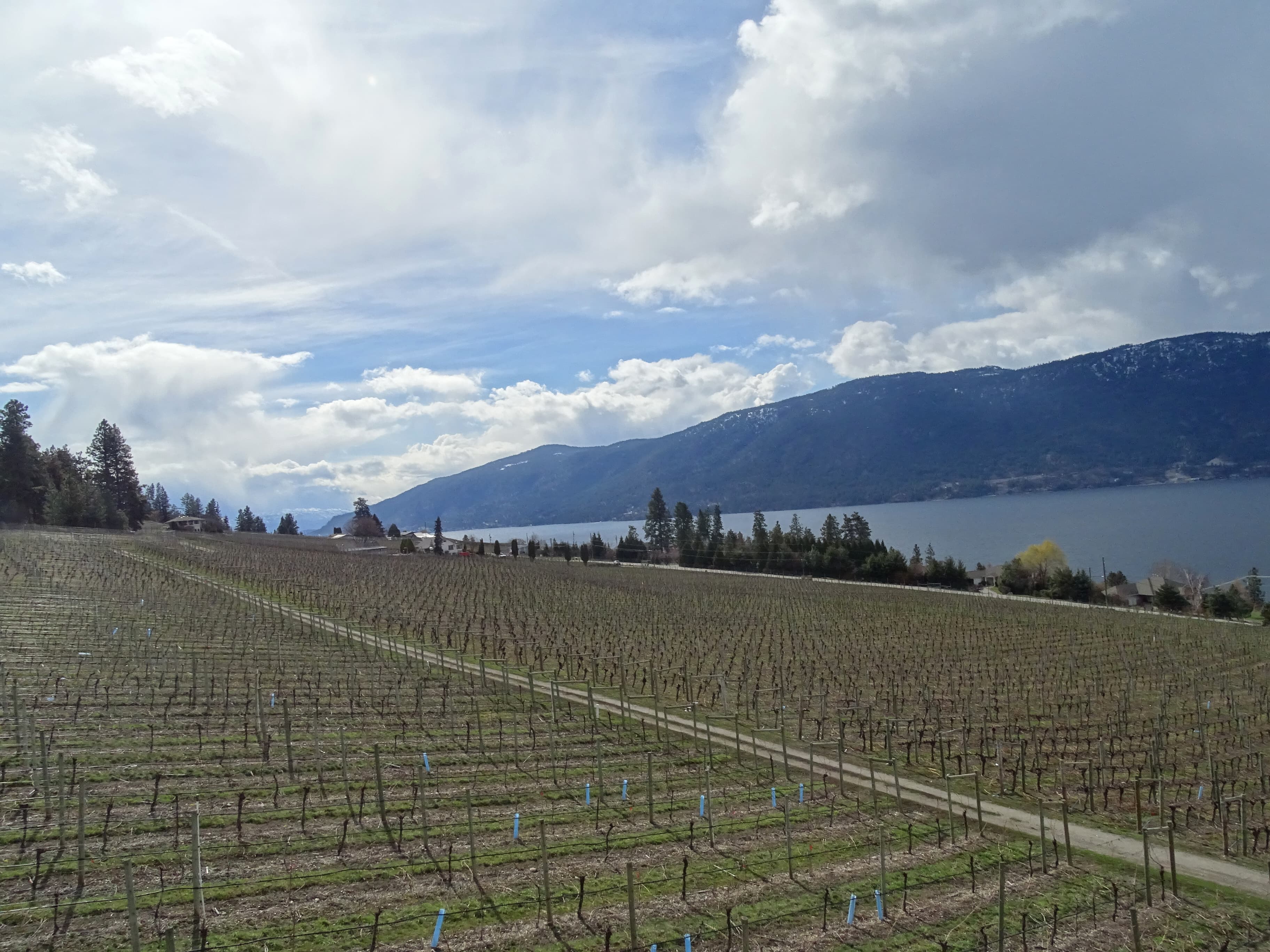
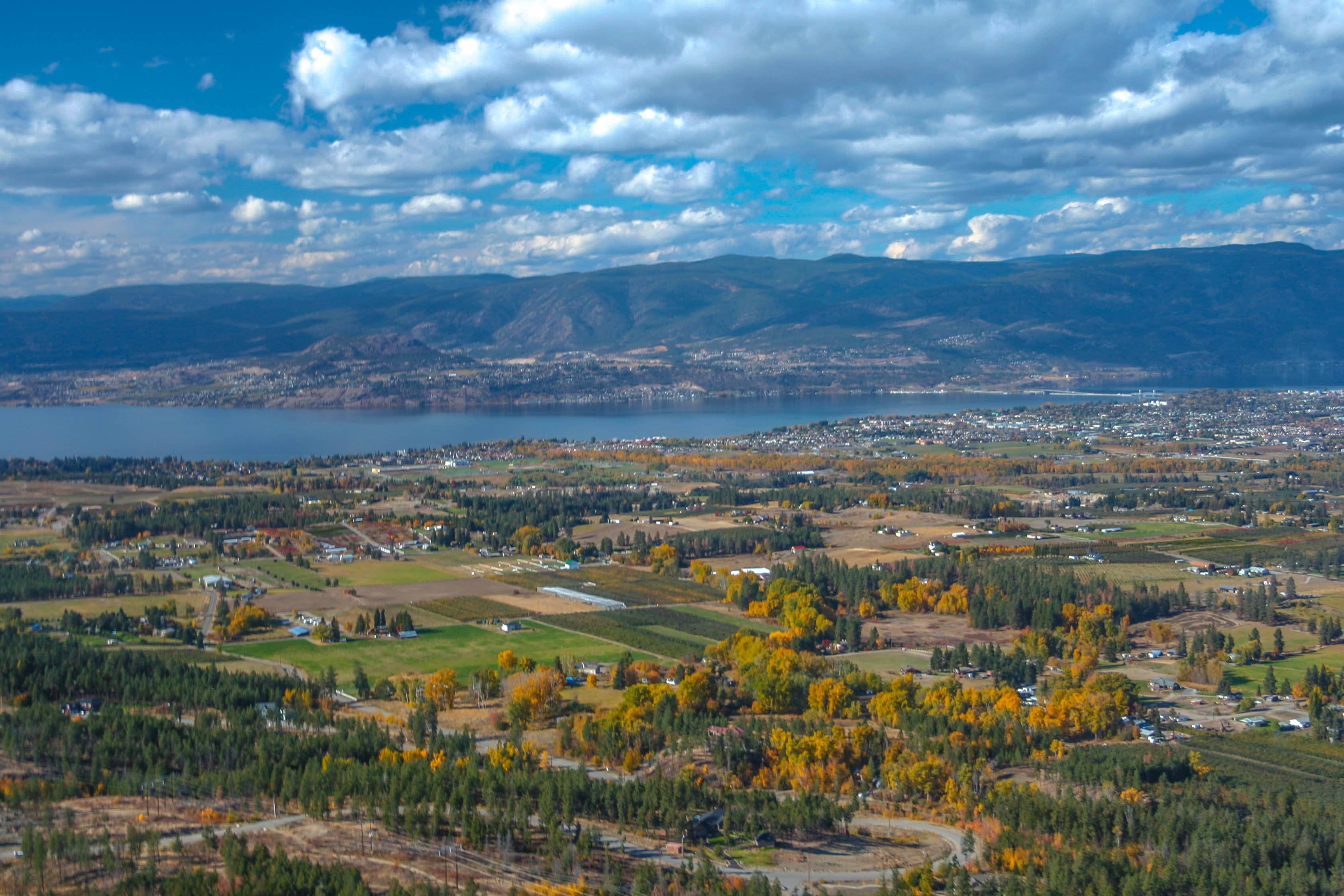
Kelowna sits in the widest part of the Okanagan Valley, where the valley floor is built from thick glaciofluvial sands and gravels deposited as the last ice age retreated. Those deposits are loose and permeable, which lets soil gas move through them easily on its way toward the surface. The benchlands above the valley floor — Mission, Glenmore, Dilworth, Upper Mission — sit closer to the granitic bedrock of the Okanagan Batholith, the granite body that underlies much of the central valley and is generally associated with higher uranium content than the sedimentary rock found on the coast. Neither of those facts alone tells you what a specific house will test at; radon potential in Kelowna depends on the interaction between that bedrock, the depth and type of overlying glacial fill, and how a given home's foundation was built.
Foundations vary across the area
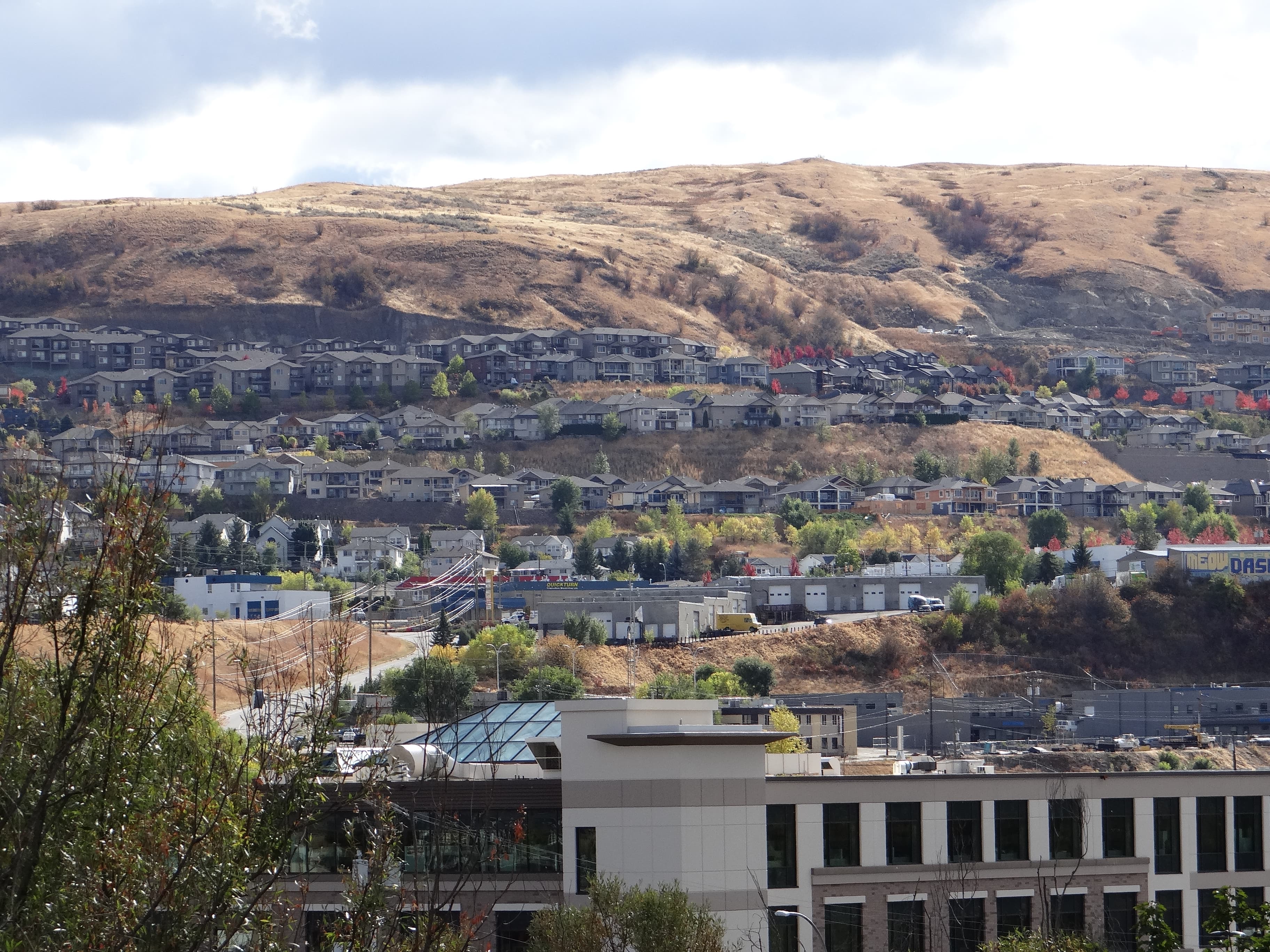
Kelowna's housing stock spans a wide range of eras and foundation types, which is part of why testing matters here more than a citywide average would suggest. The valley-bottom neighbourhoods carry a large stock of 1970s–90s full-basement homes built directly on gravel — a straightforward case for sub-slab depressurization, since air tends to move freely beneath the slab. The benchland subdivisions built into hillside lots more often have walkout basements with one wall exposed to daylight and the rest in direct soil contact, which changes suction point placement. Newer infill and multi-family construction across the city is built to a tighter building envelope than older housing, which means less passive air exchange — if radon does get in, it has fewer ways to escape on its own.
What we typically install here
Full basements and slab-on-grade construction dominate here, so sub-slab depressurization — a fan drawing radon-laden air from beneath the slab and venting it above the roofline — is the typical install.
See how radon testing, mitigation, and ongoing monitoring work in more detail.
Kelowna FAQ
There is no blanket legal requirement in BC to test before a sale, but many purchase contracts now include a radon subject clause, and lenders or insurers occasionally ask for results. See our real estate testing page for how short-term testing fits into a Kelowna transaction timeline.
Yes. Tighter, more energy-efficient construction reduces how much outdoor air exchanges with indoor air, which can let radon concentrate rather than dilute. Building age is not a reliable predictor of radon risk on its own.
Yes — radon levels can vary significantly between two houses on the same block due to differences in foundation type, slab cracks, and how the specific lot's soil conducts gas. A neighbour's result tells you nothing reliable about your own house.
Not automatically higher risk, but it does change the mitigation approach if levels come back elevated — a walkout's exposed wall changes where a suction point can be placed effectively, which is something we assess on site rather than assume from the lot type.
Book a test in Kelowna
Testing comes first. If your result calls for mitigation, we'll design and verify a system for your foundation.