

Radon Mitigation in Kelowna & the Okanagan
Custom-designed radon mitigation systems for Kelowna and Okanagan homes, built for your specific foundation and verified with follow-up testing rather than sold before measurement confirms the need.
System types
The right system depends on foundation type — not every home needs the same setup.
Installation process
Site Assessment
A technician assesses foundation type, radon entry points, and how the system will route and vent — this is what a published price range can't replace.
System Design
The system is designed around your specific foundation rather than a one-size-fits-all install.
Installation
Mitigation installations are performed by a C-NRPP-certified radon mitigation professional working under contract.
Post-Mitigation Verification
A follow-up test confirms the system brought levels down — the job isn't done until the number says so.
Not an emergency — a well-understood fix
Radon exposure operates on a cumulative, decades-long timeline rather than an emergency basis. Health Canada's guideline gives one to two years to act depending on the measured level, not immediately.
Mitigation follows a confirmed radon test result, never the other way around. Once a system is installed and verified, an ongoing monitoring plan confirms it’s still holding levels down years later.
Frequently Asked Questions
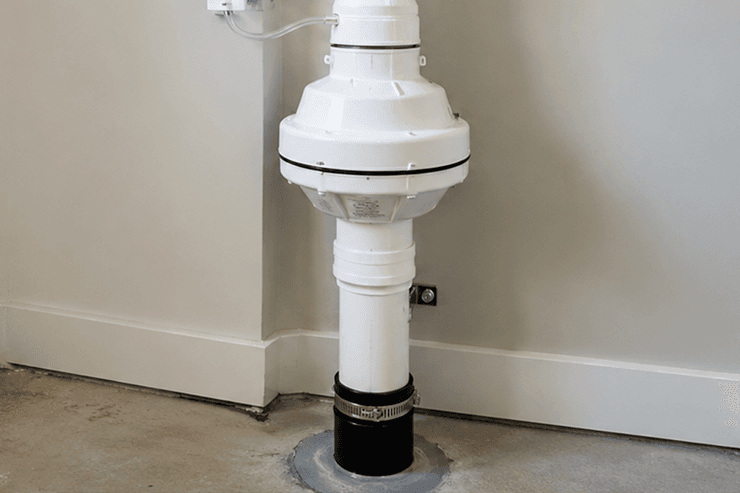
The most common approach, sub-slab depressurization, uses a fan to draw radon-laden air from beneath the foundation and vent it above the roofline before it can enter living space, creating negative pressure under the slab relative to indoors.
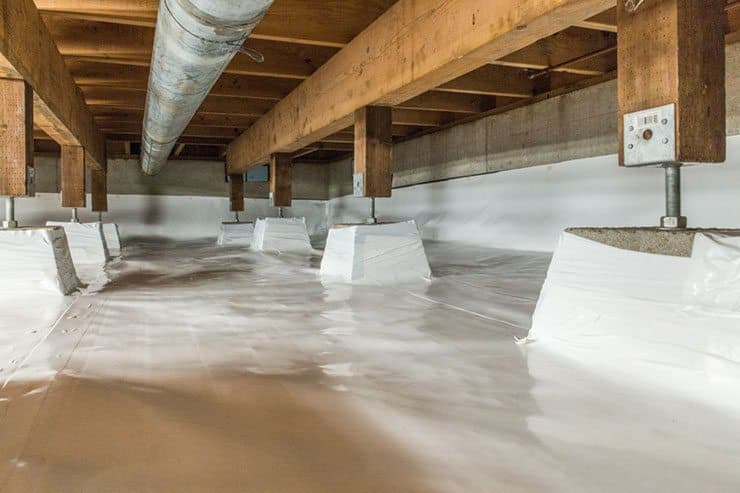
Typical Okanagan installations range from about $3,000 for a single-point sub-slab system to $8,500 for full crawlspace encapsulation — see our pricing page for published ranges. A firm number depends on foundation type, access, and vent routing, which is why it follows a site assessment.
Most residential installations are completed in a single day, though the exact timeline depends on foundation type and how much sealing work is needed alongside the suction system.
A properly designed and installed system reduces radon levels for as long as it's running and maintained — it isn't a one-time fix. That's why post-installation verification testing and periodic retesting are part of the process, not an afterthought.
Yes, the fan runs continuously to maintain the pressure difference that keeps radon out. Modern radon fans are designed to be quiet — most homeowners report it fading into background noise within days.
Yes to both. Check the system's manometer or gauge monthly and have it professionally serviced annually; a well-maintained system typically lasts 15–20 years. A follow-up test right after installation confirms it worked, and retesting every couple of years afterward confirms it still is.
Get a site assessment
A firm price comes after a technician sees your foundation — book a site visit to get one.
See published pricing →