

Radon Testing & Mitigation in Penticton, BC
Radon testing and mitigation between two lakes — Penticton's terrace soils, silt bluffs, and converted cabin housing stock.
What's under Penticton
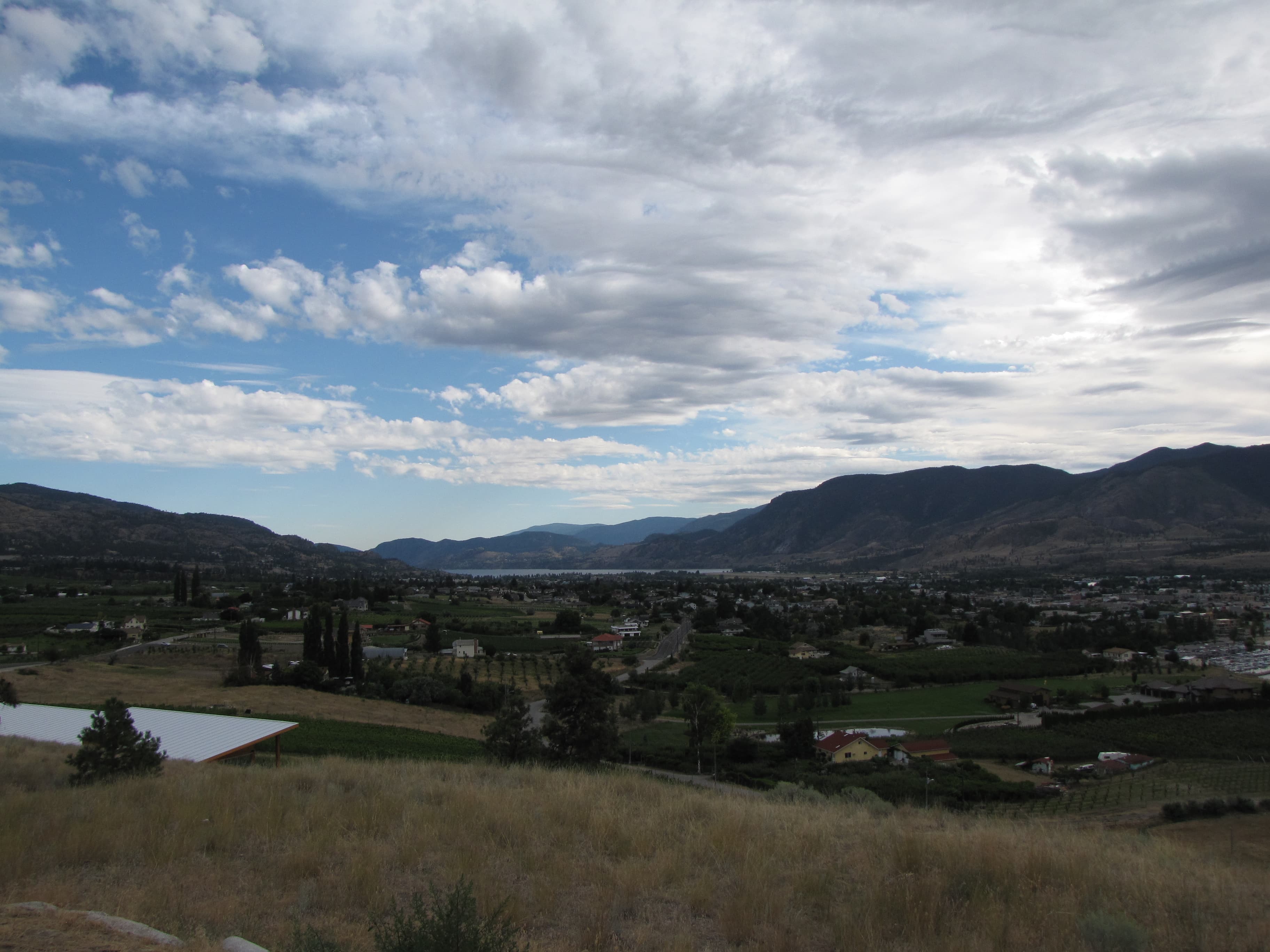
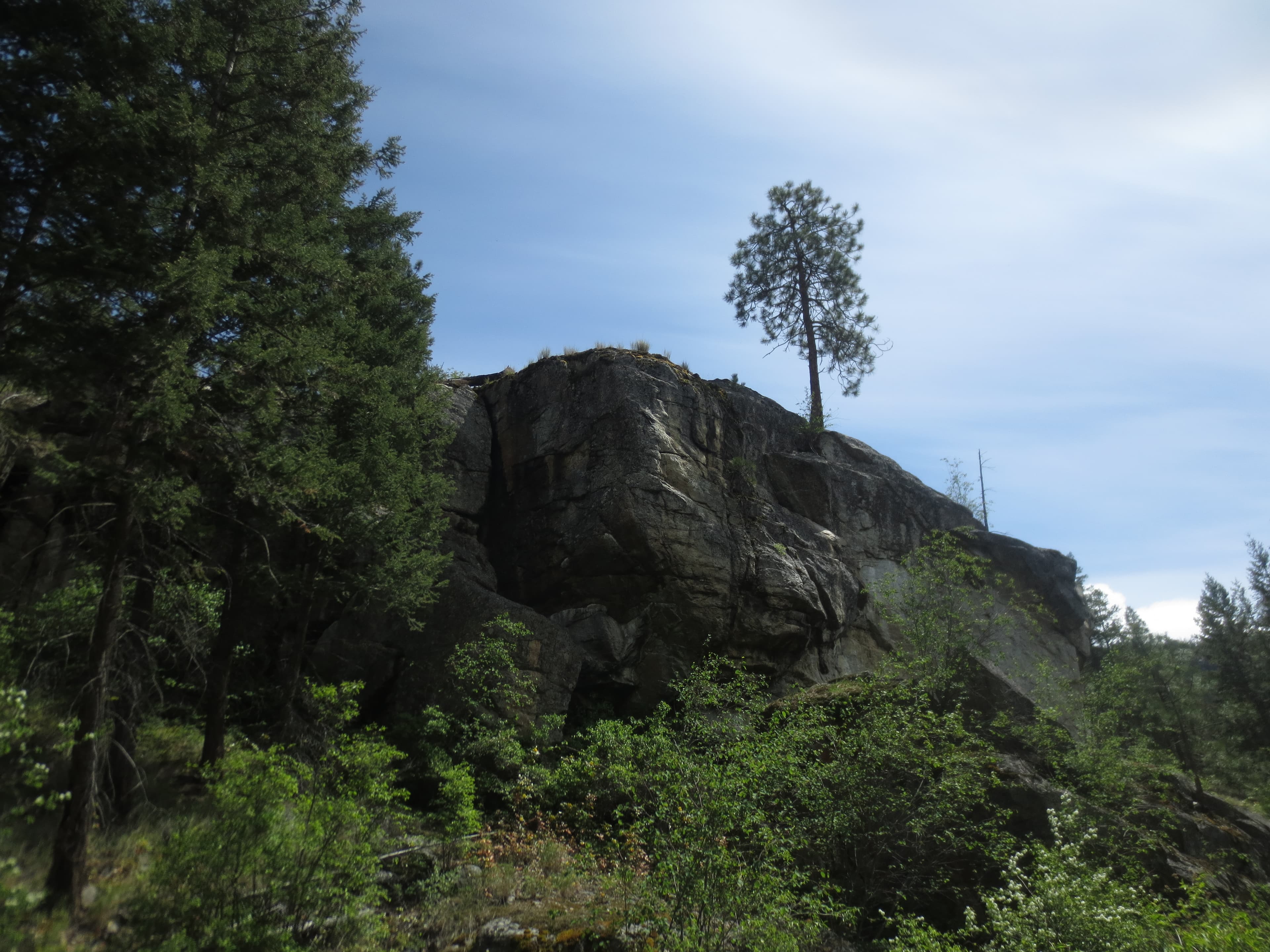
Penticton occupies the narrow strip of land between Okanagan Lake and Skaha Lake, built on a series of glaciolacustrine terraces — old lake-bottom sediments left behind as water levels dropped after the last ice age. Those terrace soils are often silty and layered rather than the coarse sand and gravel found further north, and the silt bluffs visible around the city are a direct result of that depositional history. Layered, fine-grained soils can behave differently for soil gas movement than coarse glaciofluvial gravel — sometimes restricting flow, sometimes channeling it along specific layers — which is one more reason Penticton results don't map neatly onto a single valley-wide radon potential figure. Away from the immediate lake terraces, toward the base of the surrounding hillsides, the ground transitions back toward the granitic bedrock more typical of the wider Okanagan Batholith — meaning a home a few blocks from the lakefront can sit on genuinely different ground than one directly on the terrace.
Foundations vary across the area
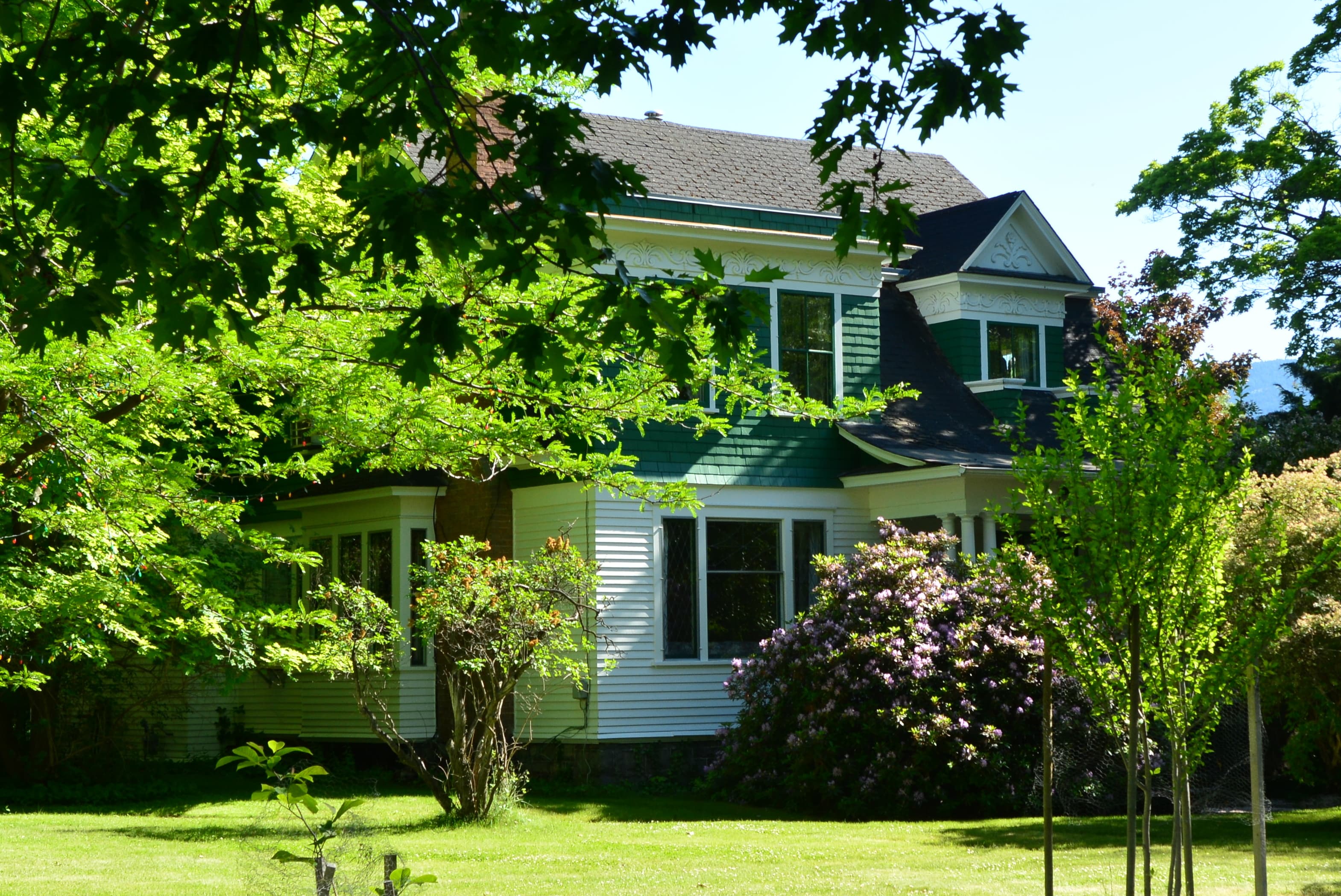
A distinctive feature of Penticton's housing stock is the number of older cabins and modest post-war homes that have been renovated or expanded into full-time residences over the decades, often on crawlspace foundations that were never built with radon in mind. Those crawlspaces frequently have exposed soil floors and minimal sealing, which is a straightforward but real entry pathway. Alongside them, Penticton has a solid base of conventional full-basement construction from the 1960s onward, particularly further from the lakefront terraces, where sub-slab depressurization is the more typical approach. Neighbourhoods like Wiltse and Uplands, built up the bench in the 1970s and 80s, mix both foundation types block by block, while newer Skaha-area development tends toward more consistent modern slab and basement construction.
What we typically install here
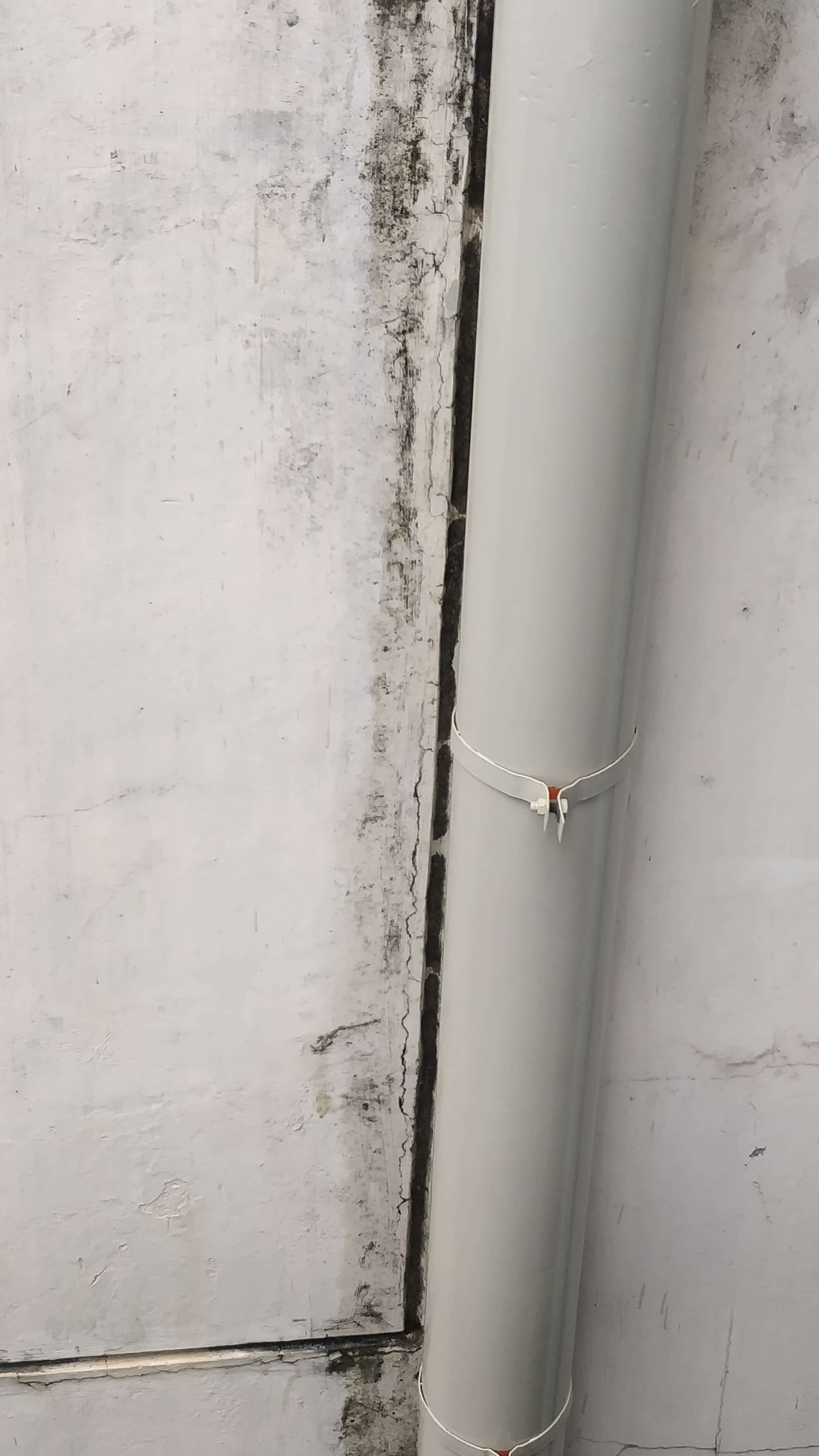
Crawlspace foundations are common here, so crawlspace encapsulation — a sealed vapour barrier with a suction point drawing from beneath it — is the typical install.
See how radon testing, mitigation, and ongoing monitoring work in more detail.
Penticton FAQ
Cabin-to-home conversions often have crawlspaces with exposed soil and no vapour barrier, which is a real, fixable entry pathway rather than a reason for alarm. It's exactly the kind of foundation where testing tells you whether encapsulation is worth doing.
Not necessarily — fine-grained, layered soils can restrict soil gas movement in some spots and channel it in others. The terrain explains why Penticton doesn't follow a simple valley-wide pattern, not what any individual home will measure.
The testing method is the same everywhere — a long-term alpha-track test in the lowest lived-in level during heating season — but the terrace and soil layer under a specific lot can vary within a few blocks, so don't assume a nearby result applies to your address.
Neither neighbourhood is inherently higher-risk than the other — foundation type and specific lot conditions matter far more than which bench neighbourhood a home sits in. We assess each property on its own, not by postal code.
Book a test in Penticton
Testing comes first. If your result calls for mitigation, we'll design and verify a system for your foundation.