

Radon Testing & Mitigation in Okanagan Falls, BC
Radon testing and mitigation for Okanagan Falls, where South Okanagan valley geology meets a mix of rural and lakeside housing.
What's under Okanagan Falls
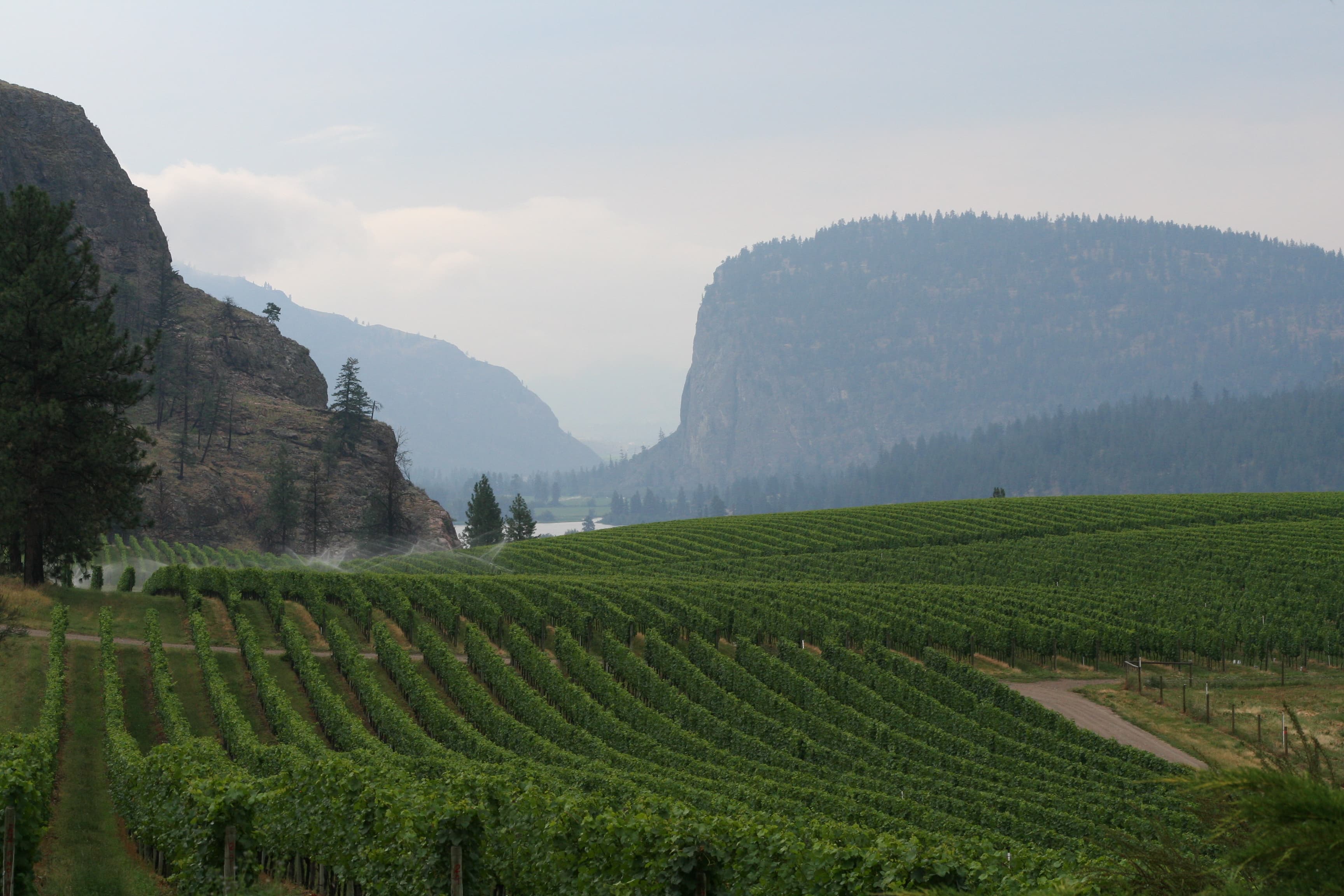
Okanagan Falls sits where Skaha Lake narrows into the Okanagan River, in South Okanagan terrain that shares characteristics with both the lake-terrace sediments found around Penticton and Naramata to the north and the broader valley-bottom alluvial soils that continue south toward Oliver and Osoyoos. That transitional position means soil and bedrock conditions can vary more within the immediate area than in a more geologically uniform community. The falls themselves mark a natural constriction point in the valley, where the underlying bedrock rises closer to the surface than in the open valley floor to either side — a detail that can matter for foundations built close to that constriction versus ones set back on the surrounding benches.
Foundations vary across the area
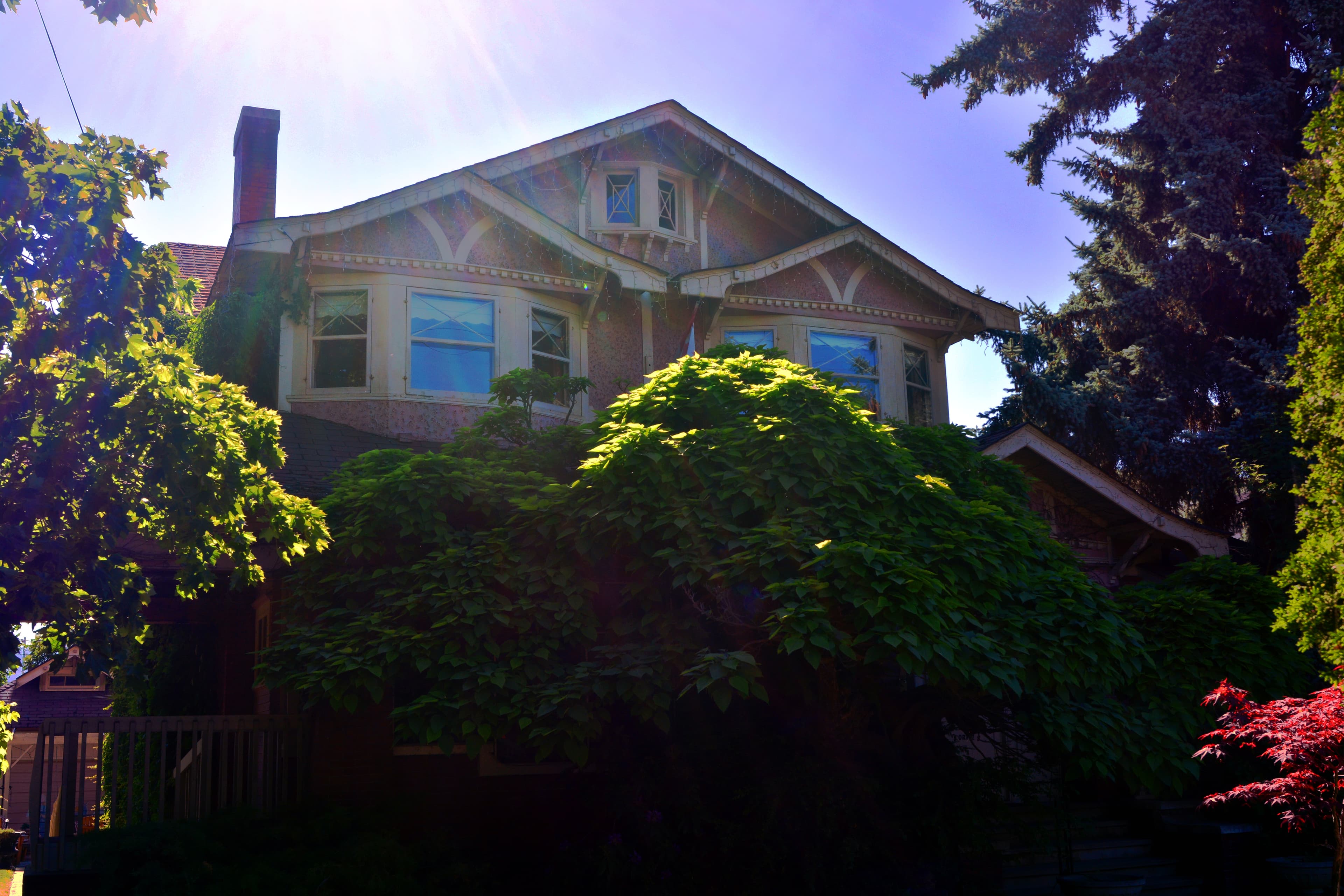
Housing here mixes older rural and lakeside properties with newer residential development, producing a similarly mixed set of foundation types — crawlspaces and older basements near the lake and river, slab-on-grade and crawlspace construction more common on the flatter land toward the valley floor. As in other South Okanagan communities, don't assume a single foundation type is typical here; we confirm foundation type as part of every site assessment before recommending a mitigation approach. Rural properties on the benches above the falls itself often combine agricultural use with residential living space in ways that create unusual foundation layouts — a converted packing shed or an older orchard homestead, for instance — which is another reason we treat every Okanagan Falls property as its own case rather than fitting it to a template.
What we typically install here
Crawlspace foundations are common here, so crawlspace encapsulation — a sealed vapour barrier with a suction point drawing from beneath it — is the typical install.
See how radon testing, mitigation, and ongoing monitoring work in more detail.
Okanagan Falls FAQ
No — even in a small community, foundation type, soil depth, and construction era vary enough between individual properties that we don't rely on generalized answers here any more than in a larger city.
It sits between the two, sharing some lake-terrace characteristics with Penticton and Naramata to the north and some valley-bottom alluvial character with Oliver to the south — which is exactly why we don't rely on a template answer for this area.
It varies block by block given the mixed rural and lakeside development pattern — we confirm your specific foundation type on site rather than assuming based on location in town.
Proximity to the lake itself doesn't change radon mitigation design — foundation type and sub-slab or crawlspace conditions are what drive the system design, regardless of how close a property sits to the water.
Those need individual assessment — a converted packing shed or barn wasn't built to residential foundation standards, so we treat the foundation on its own merits rather than assuming it matches a typical house.
Not directly — surface water bodies aren't a radon pathway. What matters is the soil and bedrock immediately beneath a given foundation, which is why we assess each property on site.
Book a test in Okanagan Falls
Testing comes first. If your result calls for mitigation, we'll design and verify a system for your foundation.