

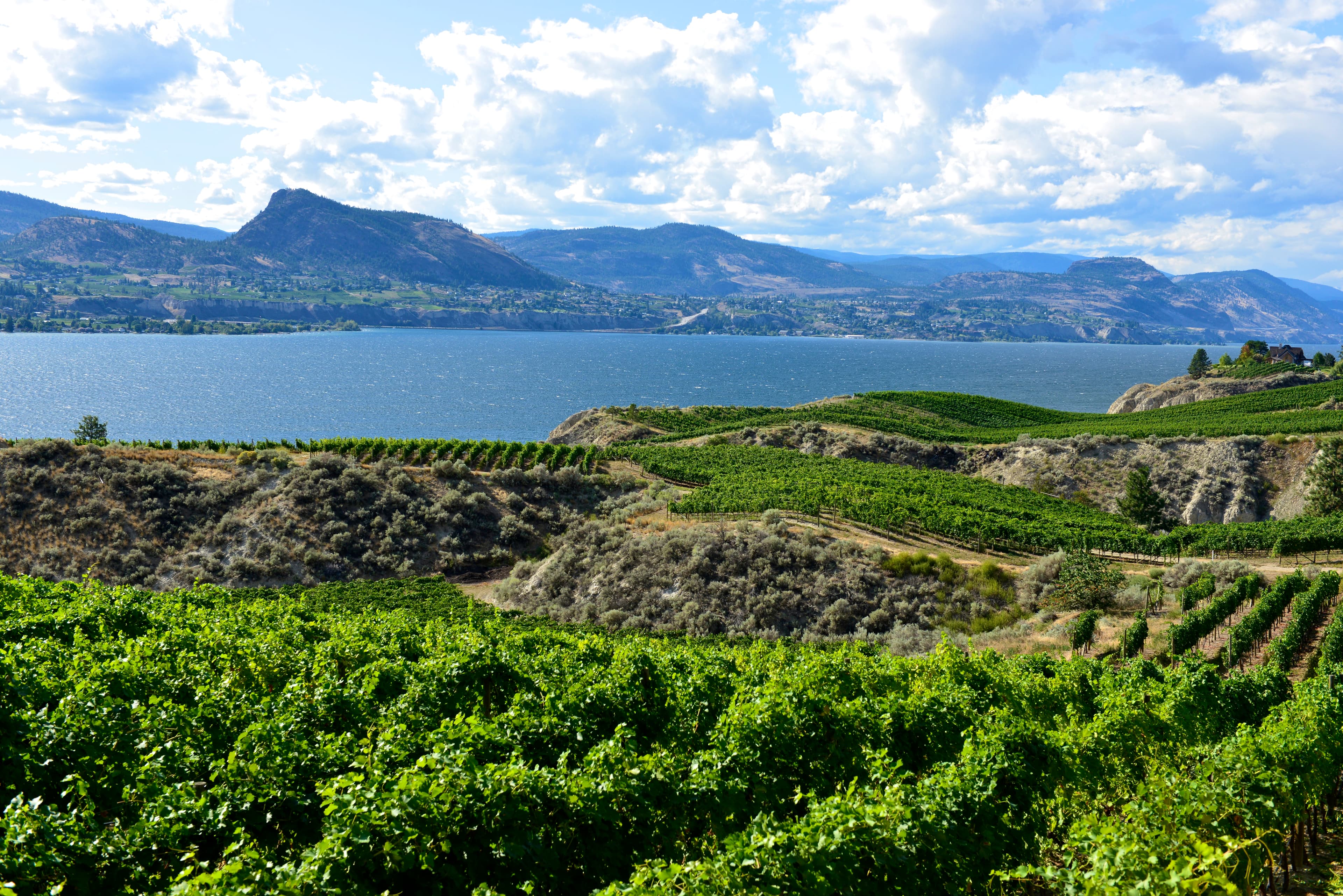
Radon Testing & Mitigation in Naramata, BC
Radon testing and mitigation for Naramata's lake-terrace vineyard properties and older cabin-style housing.
What's under Naramata
Naramata sits on a narrow bench between Okanagan Lake and the Naramata hills, on glaciolacustrine terrace soils closely related to the terrain found in Penticton just to the south. Vineyard and orchard land covers much of the bench, underlain by the same silty, layered lake-bottom sediments that produce the area's characteristic bluffs, with granitic bedrock beneath at varying depth depending on exact location on the bench. The bench narrows considerably as it runs north along the lake, and properties closer to the hillside above town sit on shallower soil over bedrock than those on the wider, flatter part of the bench nearer Penticton — a real difference in starting conditions within a community only a few kilometres long.
Foundations vary across the area
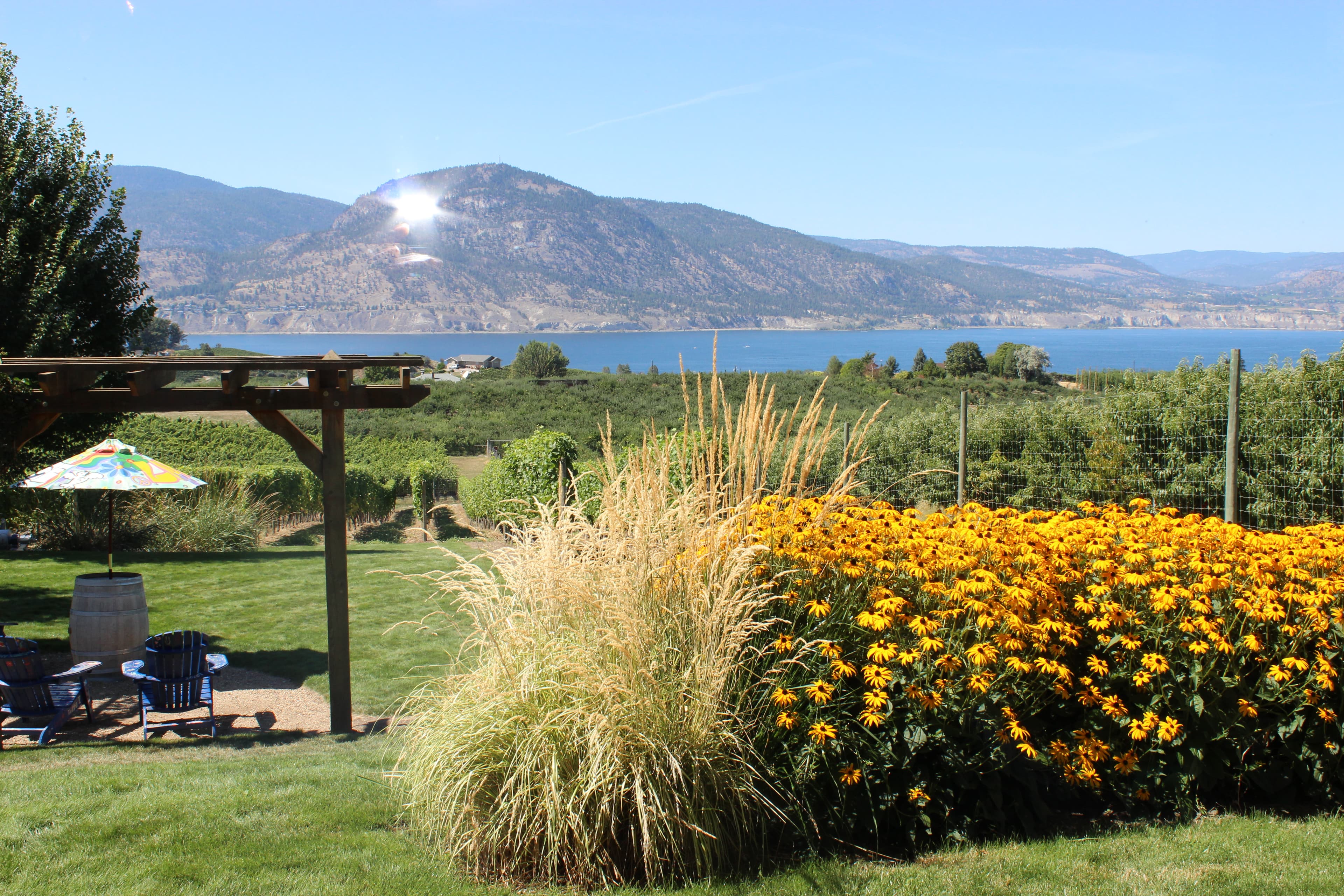
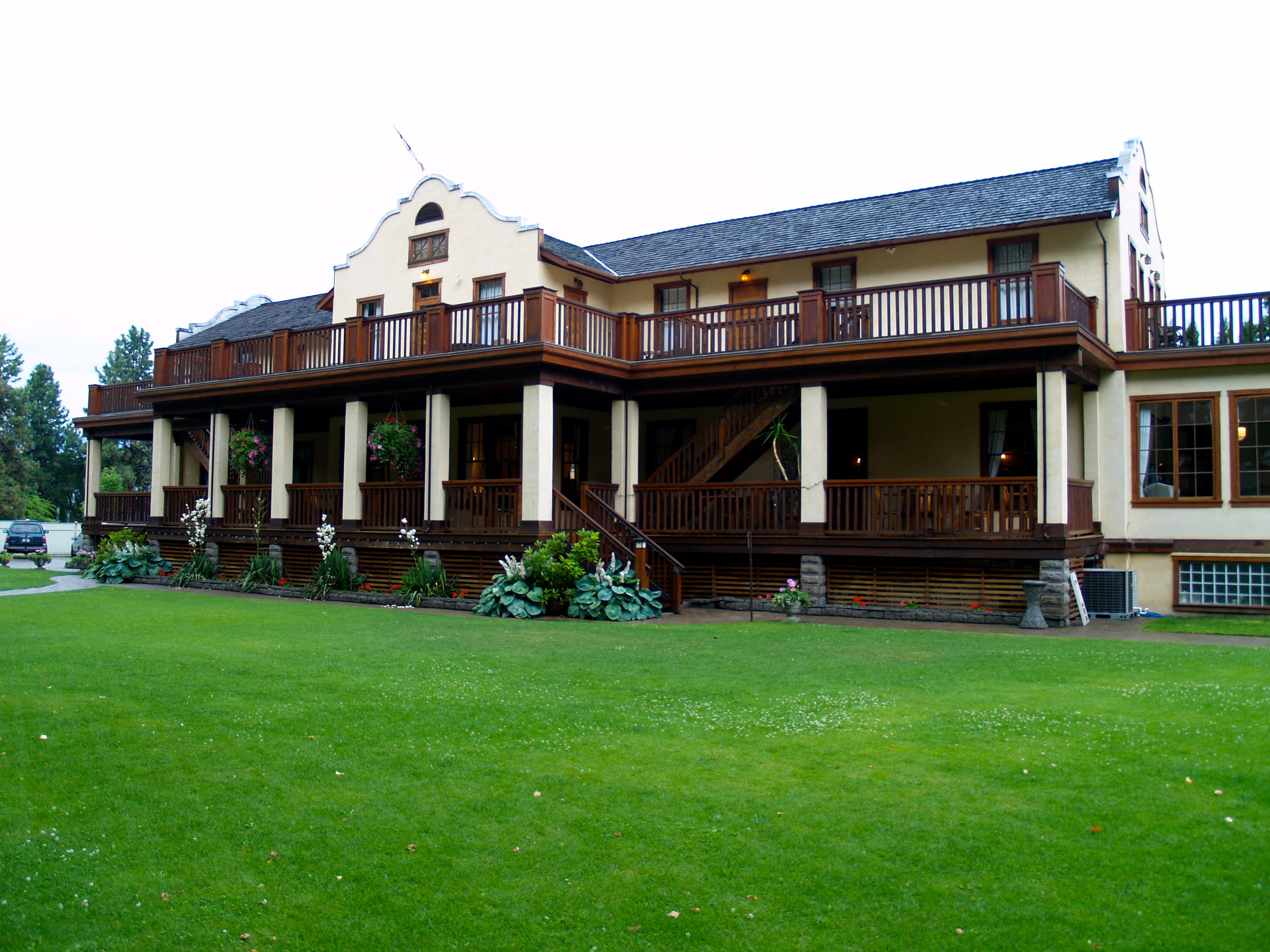
Like nearby Kaleden and parts of Penticton, Naramata has a meaningful number of older cabin-to-home conversions alongside newer vineyard-estate construction. Older cabins built as seasonal retreats decades ago often have crawlspace or minimal foundations never intended for radon control, while newer estate homes on the bench are more likely to have engineered basements or slabs. The two building eras call for genuinely different mitigation approaches on the same short stretch of bench road. Because Naramata is small and largely built along a single corridor between the lake and the hills, foundation type often correlates more with when a specific parcel was developed than with any broader pattern across the community — which makes an on-site assessment more informative here than in a larger, more architecturally uniform town.
What we typically install here
Crawlspace foundations are common here, so crawlspace encapsulation — a sealed vapour barrier with a suction point drawing from beneath it — is the typical install.
See how radon testing, mitigation, and ongoing monitoring work in more detail.
Naramata FAQ
Small enough that most properties sit within a short distance of the lake and the bench road, but foundation age and type still vary property to property — proximity to a neighbour doesn't predict your own result.
Crawlspace foundations with exposed soil and no vapour barrier, common in older seasonal cabins converted to full-time homes, are a real entry pathway — testing tells you whether it's worth addressing, and encapsulation is the usual fix.
No — vineyard and orchard land use doesn't affect radon potential. What matters is the foundation of the specific residence, not the surrounding agricultural use.
Closely related — both sit on lake-terrace sediment with a similar silty, layered structure — but that similarity is a reason both areas warrant testing, not a way to predict one from the other.
Yes, if anyone occupies it — radon risk is about cumulative exposure during occupied time, and Health Canada's long-term testing window can often be scheduled around a property's actual usage pattern.
Soil depth over bedrock does vary with elevation on Naramata's narrow bench, which is real context — but as with everywhere else in the Okanagan, it's context for why to test, not a substitute for testing.
Book a test in Naramata
Testing comes first. If your result calls for mitigation, we'll design and verify a system for your foundation.