

Radon Testing & Mitigation in Summerland, BC
Radon testing and mitigation for Summerland's bench terrain and mixed heritage-to-modern housing stock.
What's under Summerland
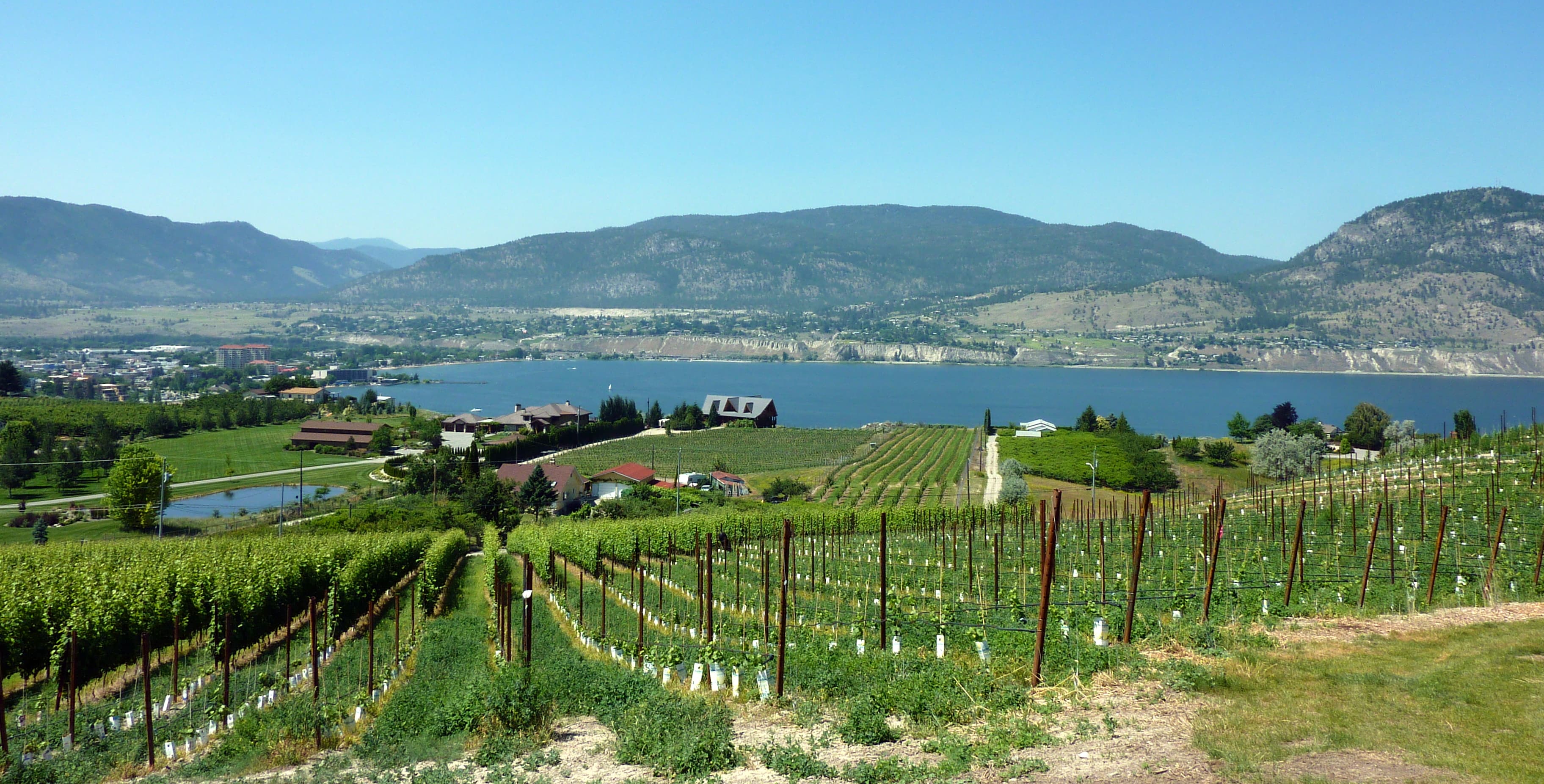
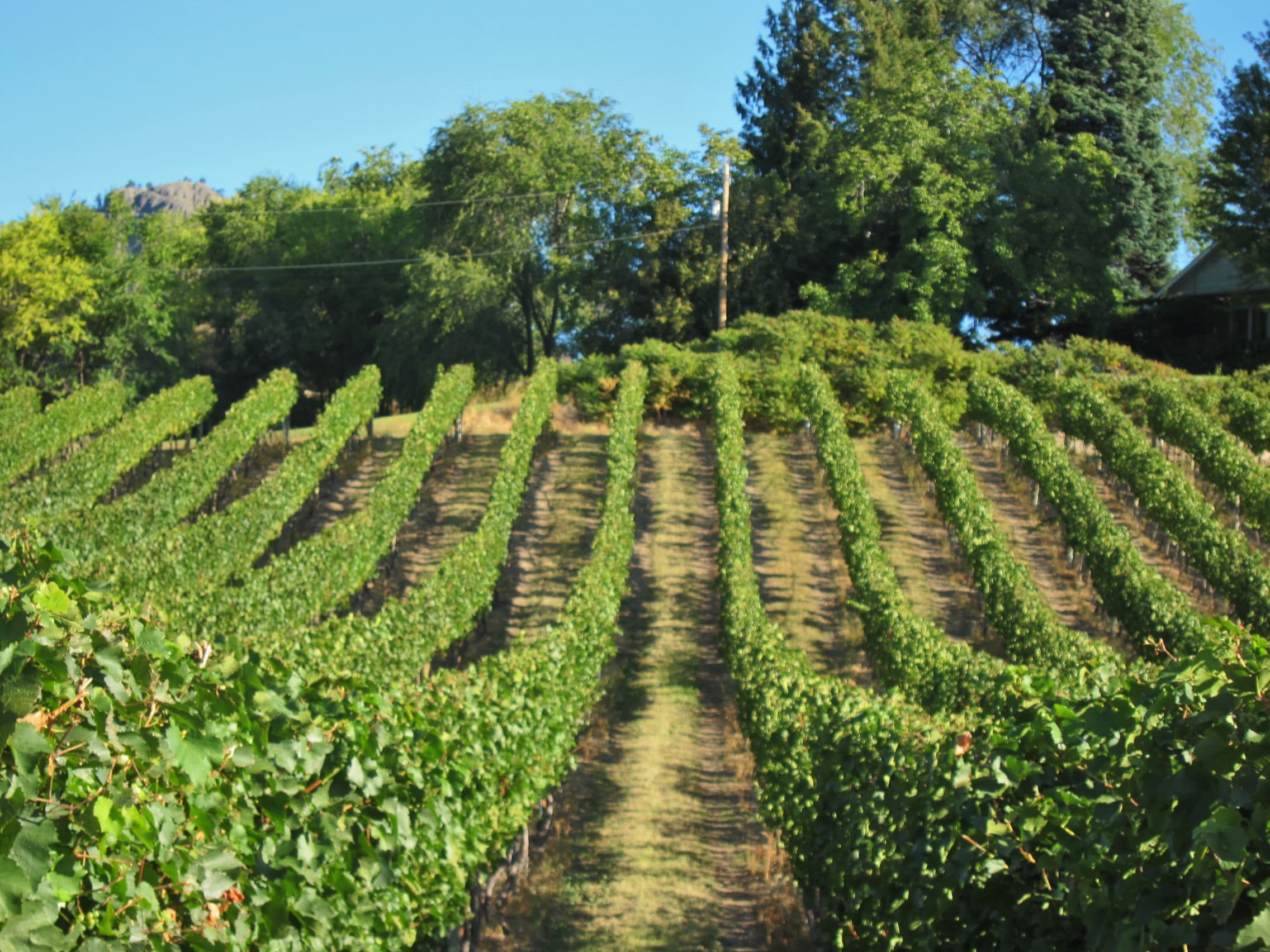
Summerland sits on a bench overlooking Okanagan Lake, with topography that shares characteristics with both the steeper west-side terrain to the north and the lake-terrace soils found around Penticton to the south. The area's granitic and glacial-till geology follows the broader Okanagan pattern, but local bench elevation and slope mean soil depth over bedrock varies meaningfully across town — from thin cover in the higher bench areas to deeper deposits down toward the lakeshore. Summerland's bench also has a long history of orchard terracing, with generations of agricultural earthworks reshaping the immediate surface soil on many older properties — a further layer of local variation on top of the underlying natural geology.
Foundations vary across the area
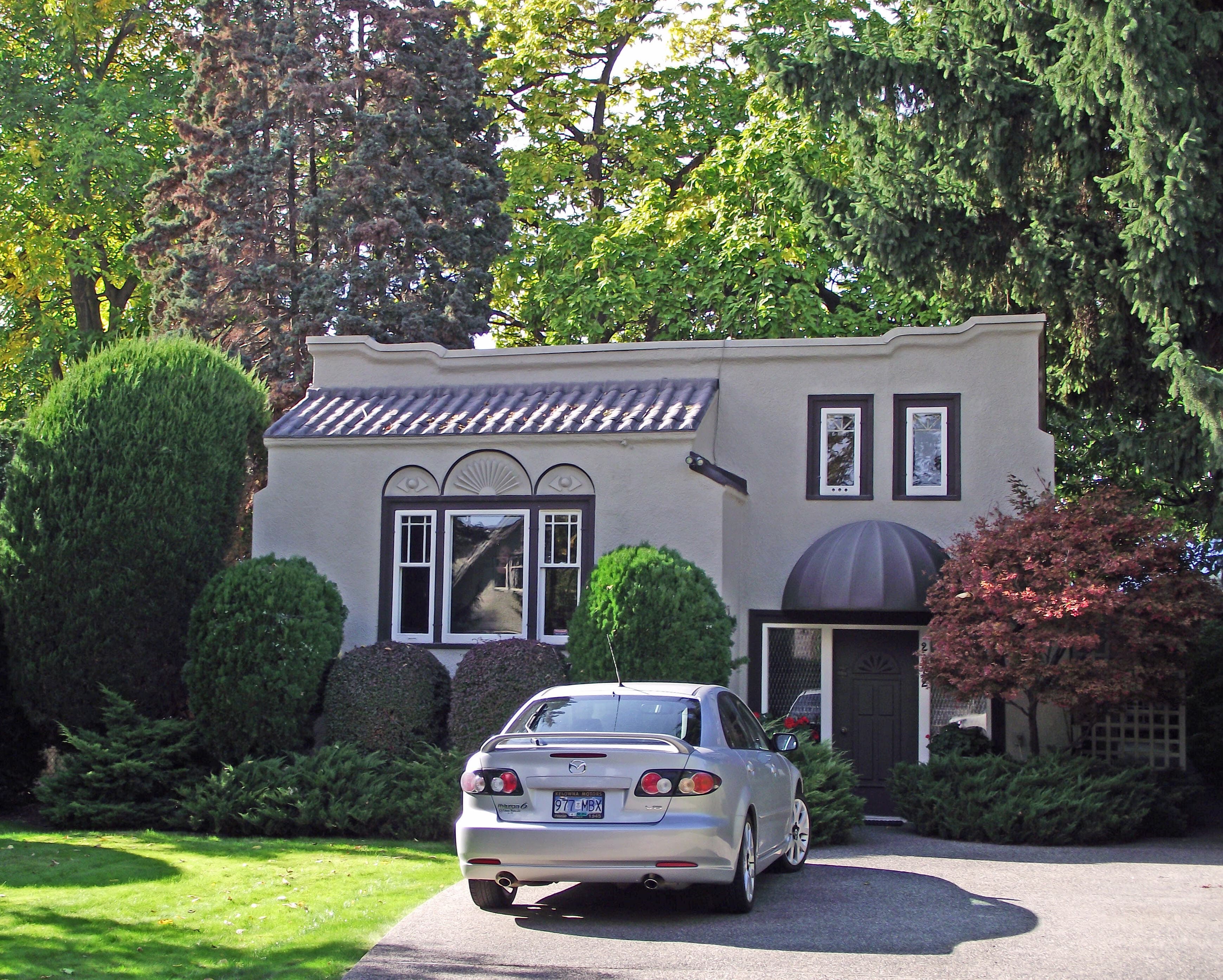
Summerland's housing stock is a genuine mix: a core of heritage homes from the early-to-mid 1900s, many with older stone or block foundations, sits alongside newer bench and lakeview construction from recent decades. Older heritage foundations were built with no radon consideration at all and often have irregular, harder-to-seal construction joints, which can mean more entry points than a modern poured-concrete slab. Newer builds on the bench are more straightforward candidates for a single-point sub-slab system, assuming reasonable sub-slab communication. Some of Summerland's oldest homes near the historic downtown core have been added onto multiple times over a century of use, which can mean two or three different foundation eras — and entry-point profiles — under a single roofline.
What we typically install here
Full basements and slab-on-grade construction dominate here, so sub-slab depressurization — a fan drawing radon-laden air from beneath the slab and venting it above the roofline — is the typical install.
See how radon testing, mitigation, and ongoing monitoring work in more detail.
Summerland FAQ
Yes — it's common for a heritage home here to have a modern addition or a partially renovated basement, which is another reason we look at the whole foundation footprint on site rather than assume uniform construction.
Often yes, in the sense that older stone or block foundations have more numerous, irregular entry points than a modern poured slab, which can mean more sealing work alongside a suction system. It's not a reason to avoid mitigation — it's a reason for an in-person assessment rather than a phone quote.
It can, since soil depth over bedrock varies with elevation here, but the only way to know your specific home's level is to test it — elevation is context, not a substitute for measurement.
It depends on how much sealing work the foundation needs in addition to the suction system itself, which we can only scope accurately after seeing the foundation in person.
Not the testing itself — we still test the lowest lived-in level — but it's worth mentioning when you book, since multiple foundation eras under one house can mean a mitigation system needs more than one suction point if levels come back high.
Generations of terracing and irrigation can alter near-surface soil moisture and structure on older orchard-adjacent lots, which is a real variable but not one we can assess from a distance — it's part of what a site visit is for.
Book a test in Summerland
Testing comes first. If your result calls for mitigation, we'll design and verify a system for your foundation.