

Radon Testing & Mitigation in Coldstream, BC
Radon testing and mitigation for Coldstream's benchland acreages and older North Okanagan housing stock.
What's under Coldstream
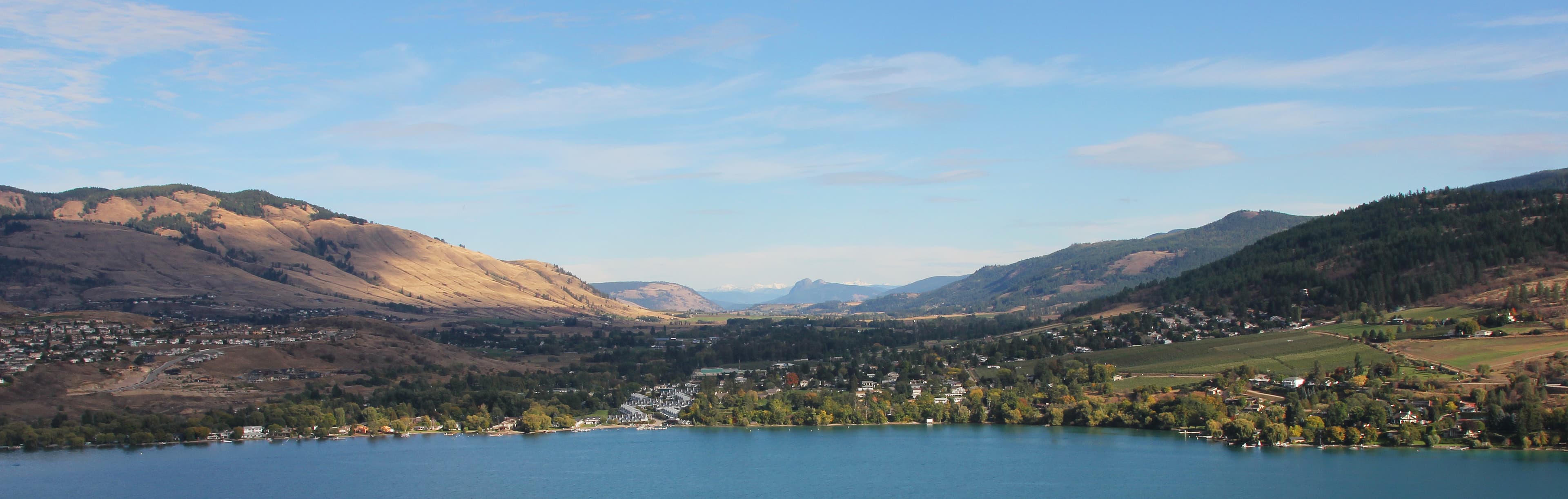
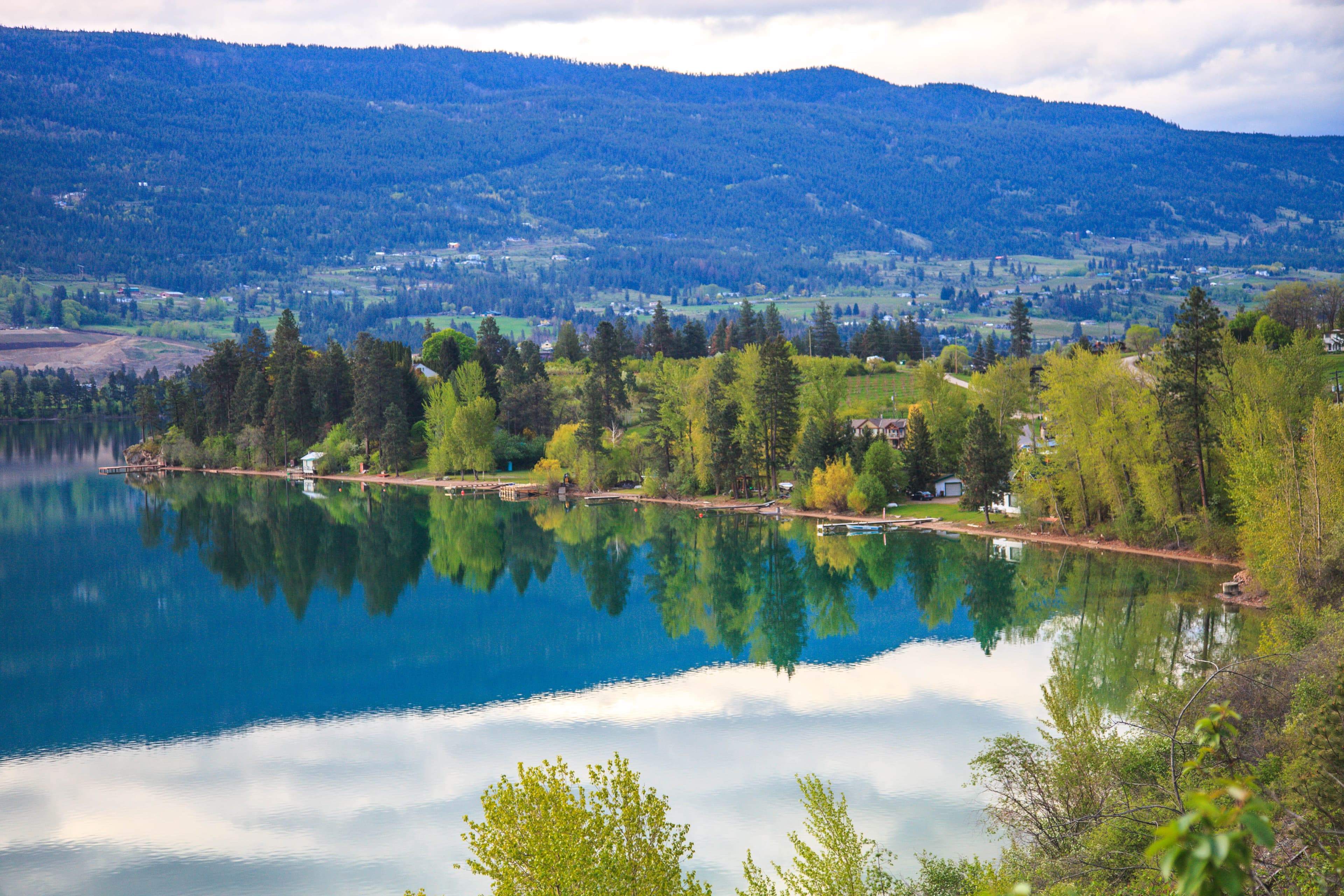
Coldstream sits on the bench of the same name adjoining Vernon, characterized by rolling agricultural and estate-lot terrain shaped by glacial till of varying depth. As in Vernon, till thickness is uneven across the bench — some lots have a substantial buffer of glacial material over bedrock, while others, particularly toward the bench edges, have thinner cover. That variability, more than any single dominant geological feature, is what makes Coldstream results hard to predict from a map alone. Kalamalka Lake's distinctive turquoise water is itself a product of the mineral-rich glacial till surrounding it, a visible reminder of just how much glacial material shaped this part of the valley — material whose depth and composition varies enough from lot to lot that it can't be generalized into a single district-wide figure.
Foundations vary across the area
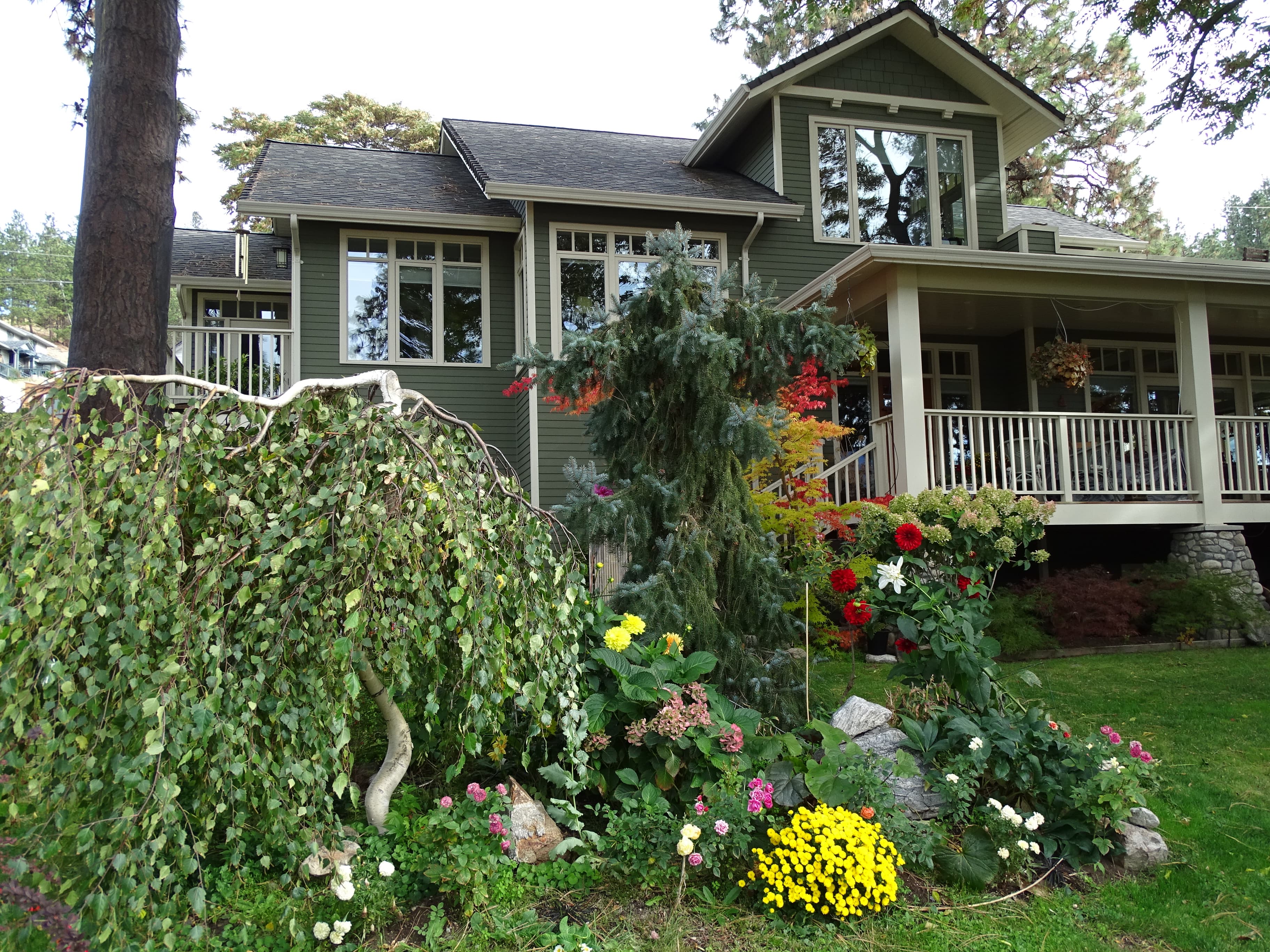
Coldstream's housing stock includes a meaningful number of larger acreage and estate properties alongside more conventional subdivision homes, and many of the older properties were built before current radon-aware construction practices. Larger, older basements on rural acreages sometimes have multiple additions or renovated sections with different foundation ages under one roof, which can mean radon entry points aren't uniform across the footprint of the house — something worth flagging to a mitigation contractor before installation. Kalamalka Lake-adjacent properties, some of the most established in the district, often combine an original 1960s or 70s basement with one or more later additions, while newer Coldstream subdivisions closer to the Vernon boundary follow more current, single-era construction standards throughout.
What we typically install here
Full basements and slab-on-grade construction dominate here, so sub-slab depressurization — a fan drawing radon-laden air from beneath the slab and venting it above the roofline — is the typical install.
See how radon testing, mitigation, and ongoing monitoring work in more detail.
Coldstream FAQ
Fairly common on the older acreages — a family property added onto over decades can have two or three distinct construction eras. We ask about renovation history when scoping a mitigation system for exactly this reason.
The testing method is the same — a long-term alpha-track detector in the lowest lived-in level — but if your home has additions built at different times, mention that when you book, since it can affect where mitigation suction points are placed.
The bench geology is closely related, but till depth varies enough within both areas that a Vernon result tells you nothing reliable about a Coldstream property, or vice versa.
Radon in well water is a secondary, usually smaller pathway compared to soil gas, but worth mentioning when you book if your property uses well water for any part of the household.
The protocol is identical — lowest lived-in level, 90-day minimum, heating season — proximity to the lake itself isn't a radon variable, though the age and addition history of lakeside properties often is.
The testing method doesn't change with lot size, but a larger rural property sometimes has a secondary dwelling or workshop worth testing separately if it's occupied — let us know your property layout when you book.
Book a test in Coldstream
Testing comes first. If your result calls for mitigation, we'll design and verify a system for your foundation.