


Radon Testing & Mitigation in Armstrong, BC
Radon testing and mitigation for Armstrong's North Okanagan farmhouses and small-town housing stock.
What's under Armstrong
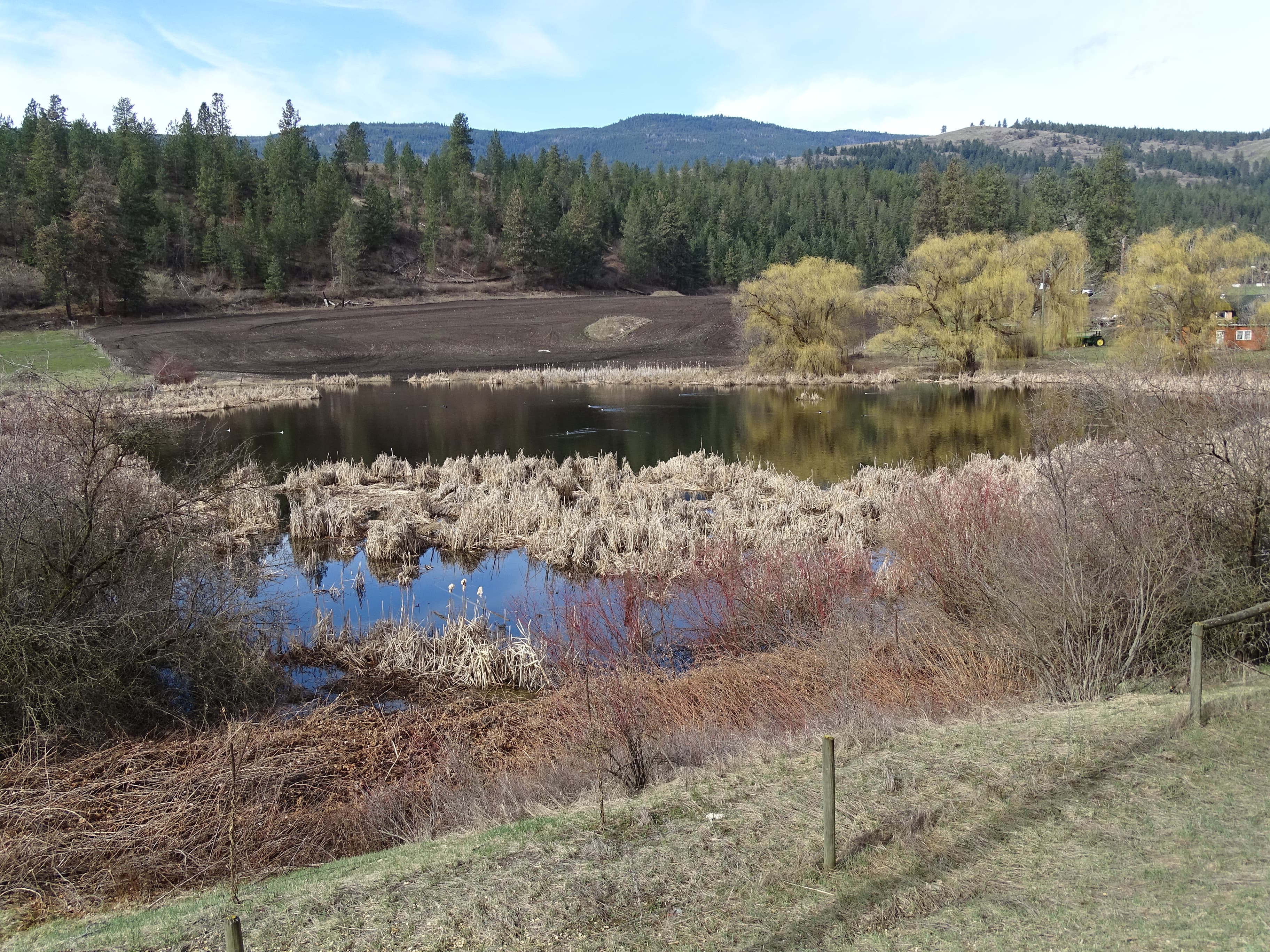
Armstrong sits in the Spallumcheen Valley at the north end of the Okanagan region, on a mix of glacial till and valley-bottom alluvial soils somewhat removed from the granitic batholith terrain more dominant further south around Kelowna. Agricultural land dominates the surrounding area, and the valley-bottom soils here tend to be deeper and less rocky than the bench terrain around Vernon and Coldstream, though local variation still means no two lots should be assumed identical. The Spallumcheen Valley's broader, flatter profile compared to the narrower Okanagan Valley proper reflects a somewhat different glacial and fluvial history, which is part of why generalizing from central-Okanagan radon patterns to Armstrong specifically isn't reliable — this is genuinely a different landscape, not just a further-away version of the same one.
Foundations vary across the area
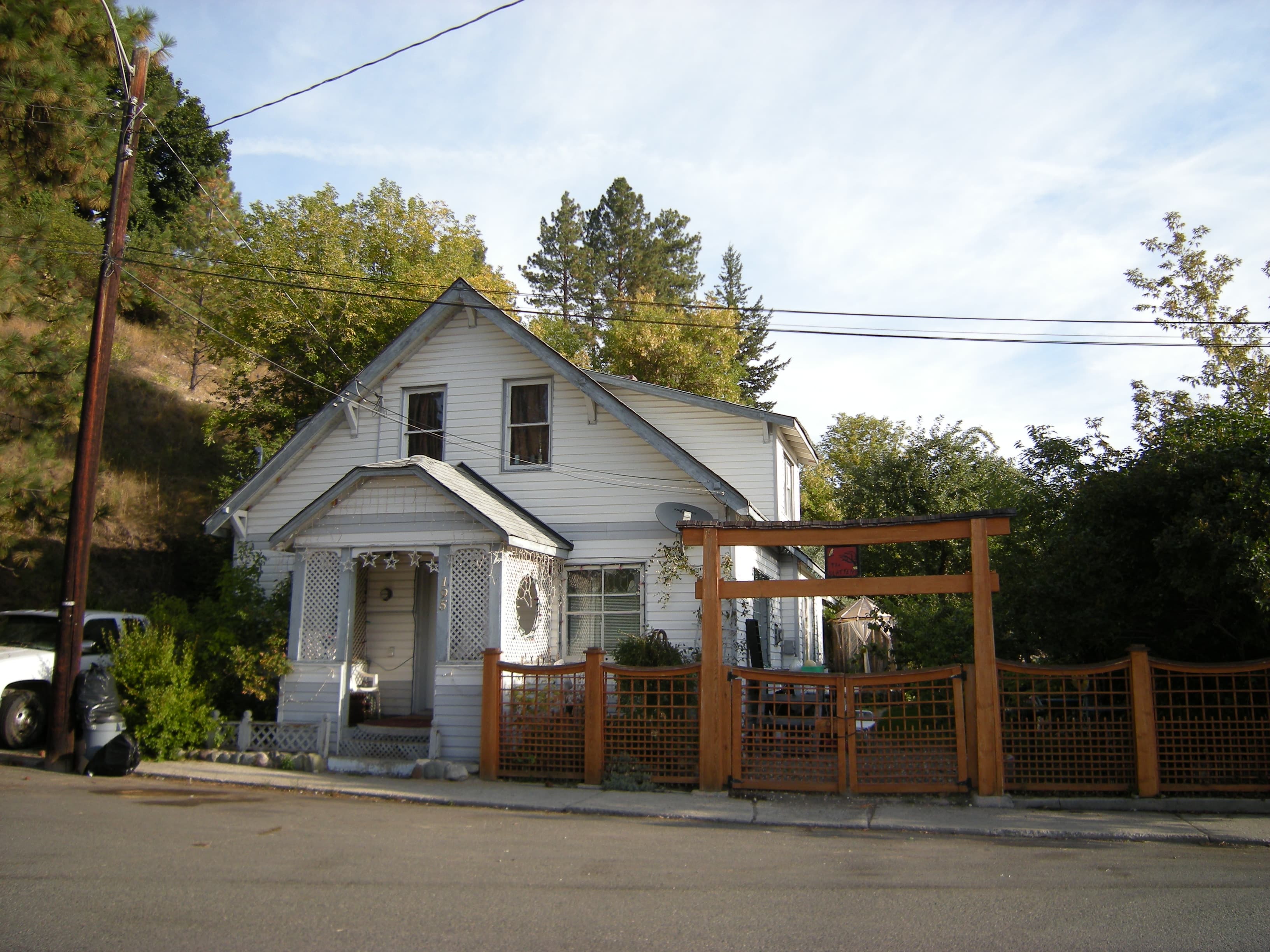
Armstrong's housing stock includes a significant number of older farmhouses and small-town homes, many predating any radon-aware construction standard, alongside newer infill within the town core. Older farmhouse basements — frequently fieldstone, block, or early poured concrete — tend to have less consistent, less sealed construction than modern foundations, which typically means more entry points to identify and seal as part of a mitigation plan, not just a single suction system. Secondary dwellings and converted outbuildings are also common on Armstrong-area farm properties — a detached suite or converted structure has its own foundation and its own radon profile, separate from the main house, and should be tested on its own if it's occupied.
What we typically install here
Full basements and slab-on-grade construction dominate here, so sub-slab depressurization — a fan drawing radon-laden air from beneath the slab and venting it above the roofline — is the typical install.
See how radon testing, mitigation, and ongoing monitoring work in more detail.
Armstrong FAQ
Yes — in-town lots tend toward more standard residential construction, while surrounding farm properties vary widely in foundation age and type. We treat the two as genuinely different starting points, not variations on one theme.
Often yes — fieldstone or early block foundations tend to have more varied, less sealed entry points than a modern slab, which can mean more sealing work alongside a suction system. That's exactly why we assess in person before quoting.
Valley-bottom soils here are generally deeper and less rocky than nearby bench terrain, but that's a general regional pattern, not a substitute for testing your specific home.
Radon testing is about occupied living space — barns and unheated outbuildings aren't typically tested, but any occupied farmhouse or secondary dwelling should be.
Yes — a detached suite or converted outbuilding sits on its own foundation with its own soil contact, so a result from the main house doesn't tell you anything reliable about it.
Not necessarily — flatter terrain and deeper valley-bottom soils are a different geological picture, not a guaranteed lower one. It changes what to expect from a mitigation design more than it changes whether testing matters.
Book a test in Armstrong
Testing comes first. If your result calls for mitigation, we'll design and verify a system for your foundation.