

Radon Testing & Mitigation in Osoyoos, BC
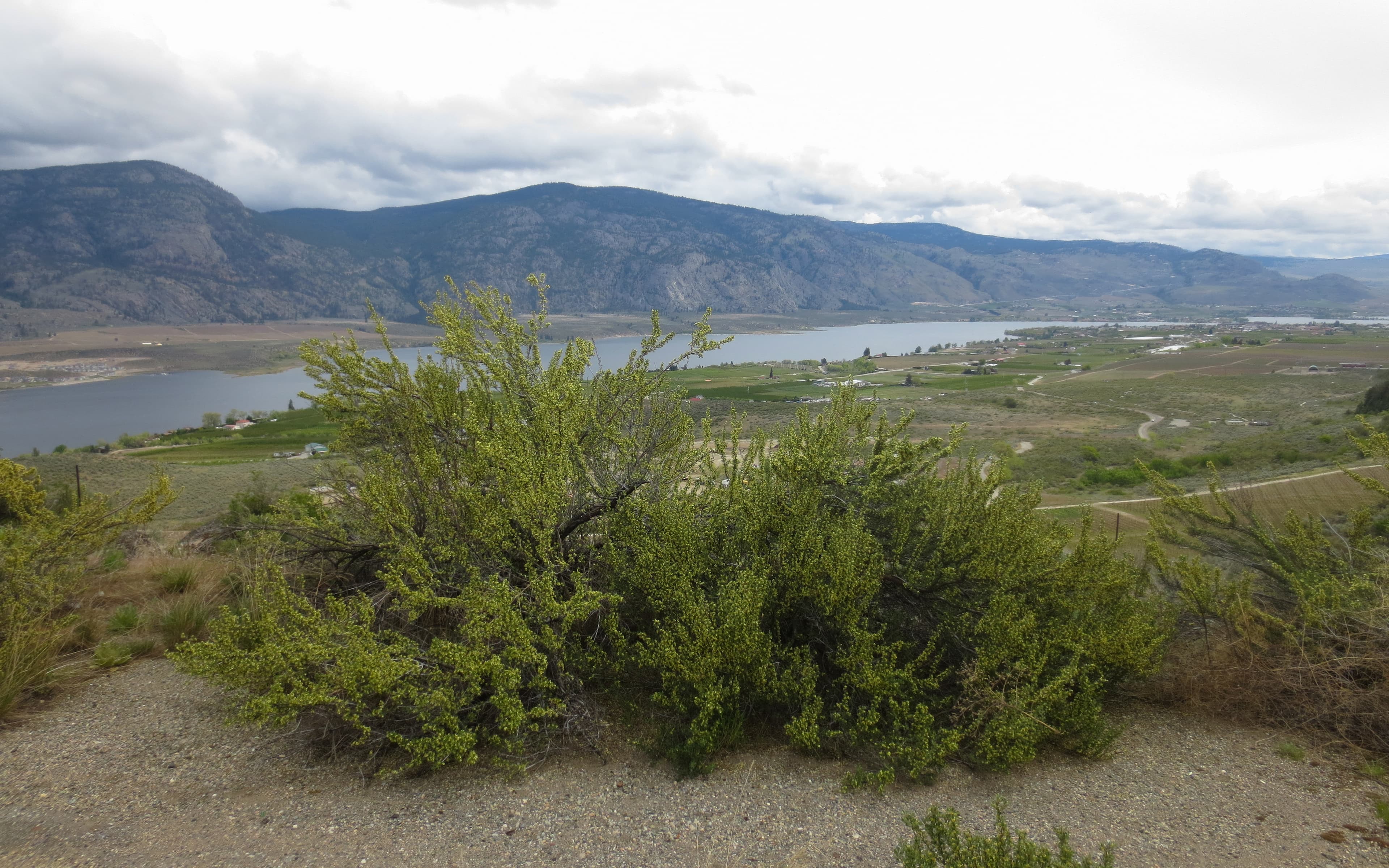
Radon testing and mitigation in Osoyoos, at the south end of the valley where slab-on-grade and crawlspace construction dominate.
What's under Osoyoos
Osoyoos sits at the southern tip of the Okanagan Valley, in Canada's warmest and driest desert-like climate zone, on valley-bottom deposits shaped by the Okanagan River and glacial outwash similar to the broader South Okanagan pattern shared with Oliver. The arid climate here doesn't materially change radon behaviour — soil gas movement is driven by geology and soil structure, not surface aridity — but the region's construction history, oriented around agriculture and a smaller, more rural population base, has produced a different foundation mix than the basement-heavy north end of the valley. Osoyoos Lake itself sits in a narrow trough near the US border, and the benches rising from the lake on both sides show the same general pattern found further north in the valley — coarse glacial fill over granitic and metamorphic bedrock, with depth varying by elevation and specific location.
Foundations vary across the area
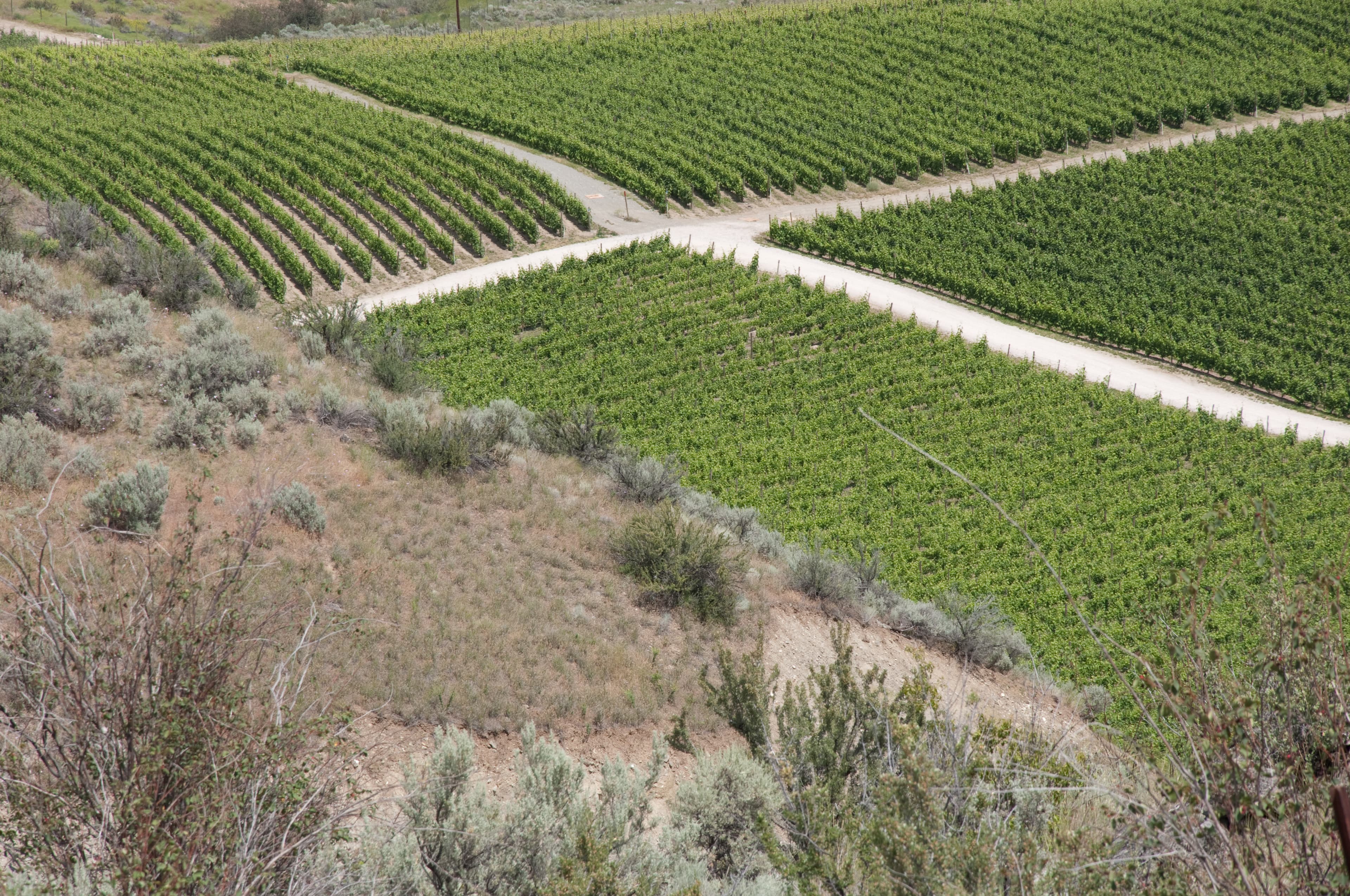
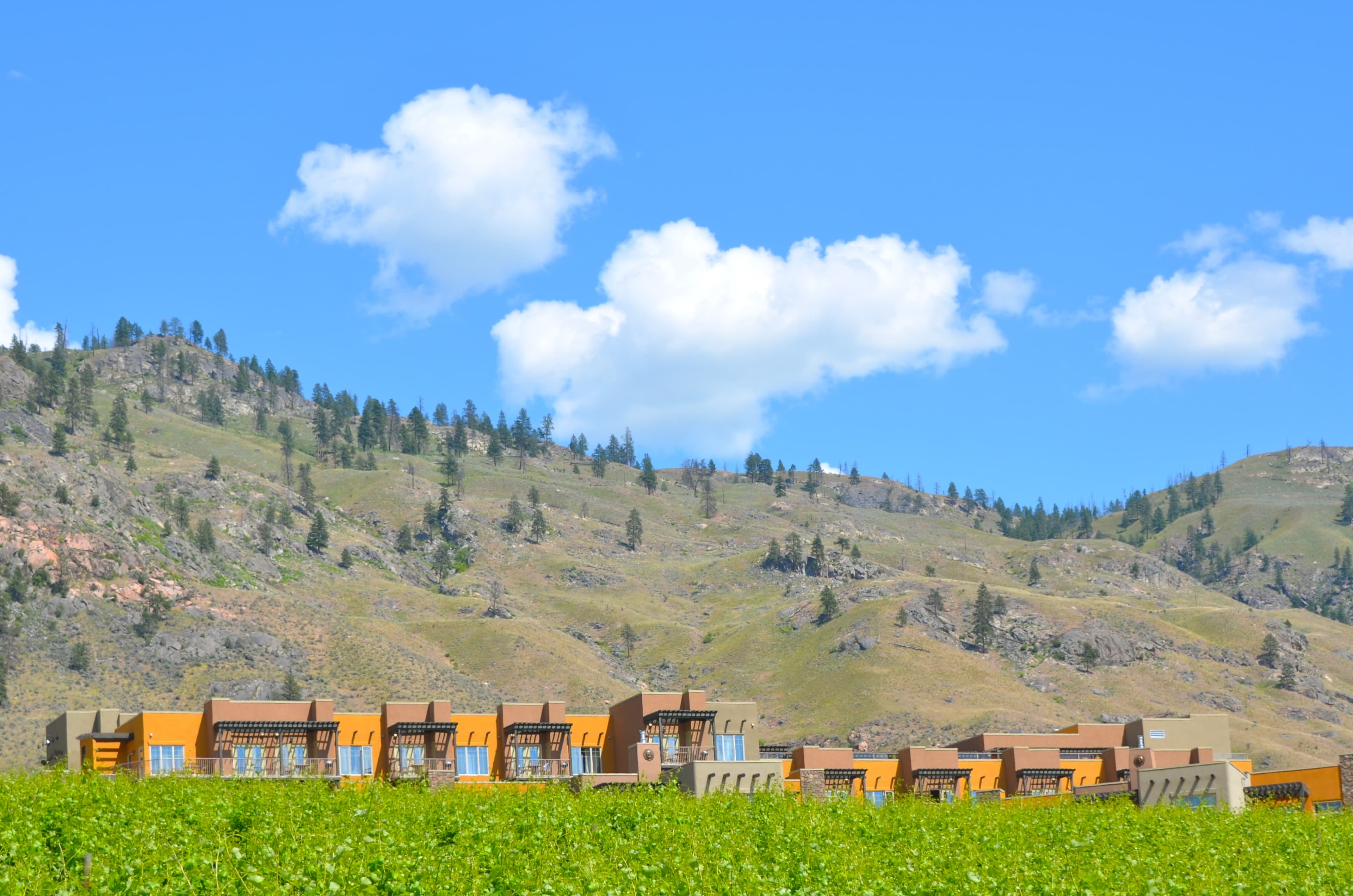
As in Oliver, Osoyoos has a higher share of slab-on-grade and crawlspace construction relative to full basements. That matters for both testing (placement happens in the lowest occupied living space rather than a basement) and mitigation (suction points are typically core-drilled through a slab or drawn from a sealed crawlspace membrane rather than installed in a below-grade foundation wall). Osoyoos has also seen steady retirement and vacation-home construction in recent years, which brings a mix of newer, tightly built single-storey homes into a housing stock that otherwise skews toward older, simpler rural construction — two very different starting points for a mitigation assessment within the same small town.
What we typically install here
Full basements and slab-on-grade construction dominate here, so sub-slab depressurization — a fan drawing radon-laden air from beneath the slab and venting it above the roofline — is the typical install.
See how radon testing, mitigation, and ongoing monitoring work in more detail.
Osoyoos FAQ
Not really — the town has a mix of long-established rural and agricultural properties and more recent residential and retirement construction, with no single dominant era. Foundation type and age are confirmed on site, not assumed.
No — radon entry is driven by soil structure and pressure differences between the ground and your home, not by how dry the regional climate is. Don't let the desert reputation substitute for an actual test.
The long-term alpha-track detector goes in the lowest lived-in room — for a slab-on-grade or single-storey home, that's simply the main floor, tested over a 90-day-minimum period during the heating season.
It depends on sub-slab communication and pipe routing more than on foundation type alone — see our pricing page for what actually moves the cost, and expect a firm number only after a site visit.
Not automatically — newer construction is often tighter, which can let radon concentrate rather than dilute. A recent build date isn't a substitute for testing.
No — Health Canada's protocol and guideline apply the same way throughout the Okanagan regardless of proximity to the border. Geography here is a logistics detail, not a testing variable.
Book a test in Osoyoos
Testing comes first. If your result calls for mitigation, we'll design and verify a system for your foundation.